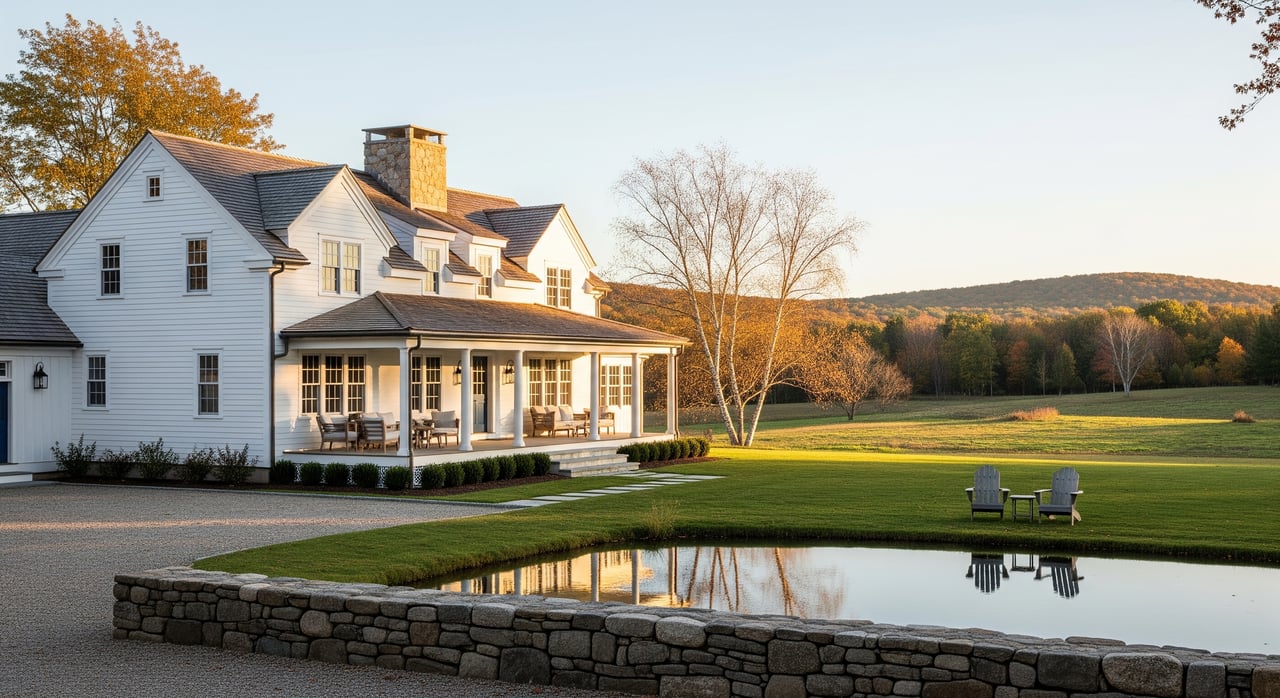
Craving more space, fresh air, and weekends by the lake without giving up easy access to the city? If you live in New York City, Litchfield County can feel like a deep exhale. You get classic New England charm, larger lots, and quiet villages within a realistic drive for weekend use, hybrid work, or a full move. In this guide, you’ll learn why NYC buyers choose the Morris and Bantam area of Litchfield (ZIP 06751), what the commute is really like, what you can buy, and how to shop smart for a country home. Let’s dive in.
Why Litchfield County works for NYC buyers
Litchfield County delivers a simple value proposition: more land and privacy, a slower pace, and historic village life within a typical 2 to 2.5 hour drive from midtown Manhattan under normal traffic. That distance makes weekend use and hybrid commutes realistic for many city buyers. You can arrive Friday night, wake up to lake views or woodlands, and be back in the city for Monday meetings when needed.
Buyers come for a few main reasons:
- Weekend escape near lakes, trails, and quiet villages.
- Hybrid work with 1 to 2 trips to the city each week.
- Full relocation for space, lower density, and New England character.
Compared with other popular weekend markets, you’ll notice a different blend of trade-offs:
- Compared with Hudson Valley and the Catskills, you tend to find quieter, small-town New England character and often lower price-per-acre for similar homes. Some Hudson towns may offer faster train access and larger arts or restaurant scenes.
- Compared with Fairfield County or Westchester, you’ll often see more acreage, lower housing density, and more rustic properties, but longer commute times and fewer direct rail options.
- Compared with the Berkshires, Litchfield is typically closer driving-wise and offers similar outdoor and cultural amenities in a smaller-town setting.
What you gain vs. trade-offs:
- Gains: More land and privacy, village green life, lakes and woods, historic homes, and often lower property costs than comparable coastal or near-NYC markets.
- Trade-offs: Fewer rail options, more reliance on a car, and smaller-town dining and entertainment that can vary from one village to the next.
Commute and travel: what to expect
Driving is the primary way people get here. The typical one-way drive from midtown Manhattan to Morris and Bantam is about 2 to 2.5 hours in normal conditions. During peak travel windows, especially Friday evenings and holiday weekends, plan for 2.5 to 3 or more hours. Common routes include I‑95, I‑91, and I‑84 depending on your starting point and traffic.
Rail is possible but not direct to Morris. The nearest options NYC buyers often use include stations in Bridgeport, Waterbury (Waterbury Branch), Danbury (Danbury Branch), and New Haven. Each requires a significant drive from the station to Morris or Bantam, often 45 to 90 minutes, and branch-line schedules can be less frequent than main lines. If you rely on rail, you’ll likely need a car for the last mile or a dedicated parking plan at the station.
Bus services connect NYC to parts of northwestern Connecticut, though schedules vary and often stop in bridge cities like Waterbury or Torrington rather than Morris directly. Some private shuttles operate seasonally or by arrangement.
Typical patterns for NYC buyers:
- Weekenders drive up Friday and return Sunday.
- Hybrid commuters work remote-first and drive to NYC 1 to 2 times per week, sometimes staying overnight in the city.
- Daily commuting is rare due to the multi-hour drive; buyers who must take the train more often tend to live closer to a railhead.
Practical travel tips:
- Check real-time routes for your typical travel window and test it a few times before committing.
- Plan parking for a second car if you split time between city and country.
- In winter, expect occasional snow and ice; winter tires and a snow removal plan help on country roads.
Morris, Bantam, and Bantam Lake lifestyle
Morris offers a small New England town feel with a village center, historic architecture, and a strong sense of community. You’ll find local traditions, volunteer groups, and seasonal gatherings typical of this part of Connecticut. Bantam, part of the Litchfield area, sits along Bantam Lake and brings a laid‑back lakeshore vibe that weekenders love.
Outdoors, the area shines year-round. Popular activities include hiking, mountain biking, boating, fishing, cross-country skiing, and foliage drives. Bantam Lake is a standout draw, and lakeshore properties or homes near access points are especially attractive to weekend buyers.
Day-to-day conveniences feel local and independent. Expect small markets, local restaurants, antiques, galleries, and regional cultural venues. For big-box retail, expanded medical services, or specialized care, you’ll likely take a short drive to larger neighboring towns. Buyers should verify distances to hospitals and specialists that match their needs.
Community life revolves around town halls, volunteer fire departments, local churches, and civic groups. Spring and summer bring the most weekend-home activity. Fall foliage season is peak for visits and showings. Winters are quieter and cozy for those who want a true rural retreat.
Many towns here maintain historic overlays and careful zoning to preserve rural character. If you plan to renovate, add an accessory dwelling unit, or build an addition, check local rules early.
What you can buy in 06751
The Morris and Bantam area offers a classic mix of New England properties:
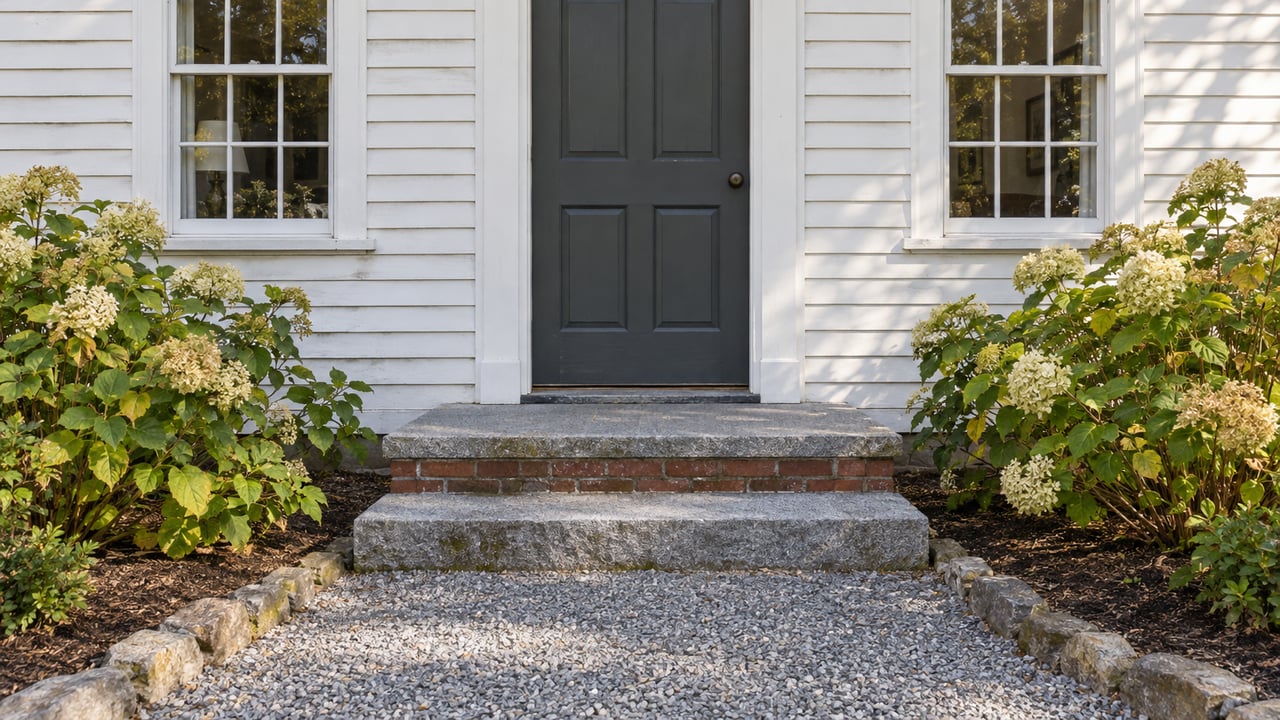
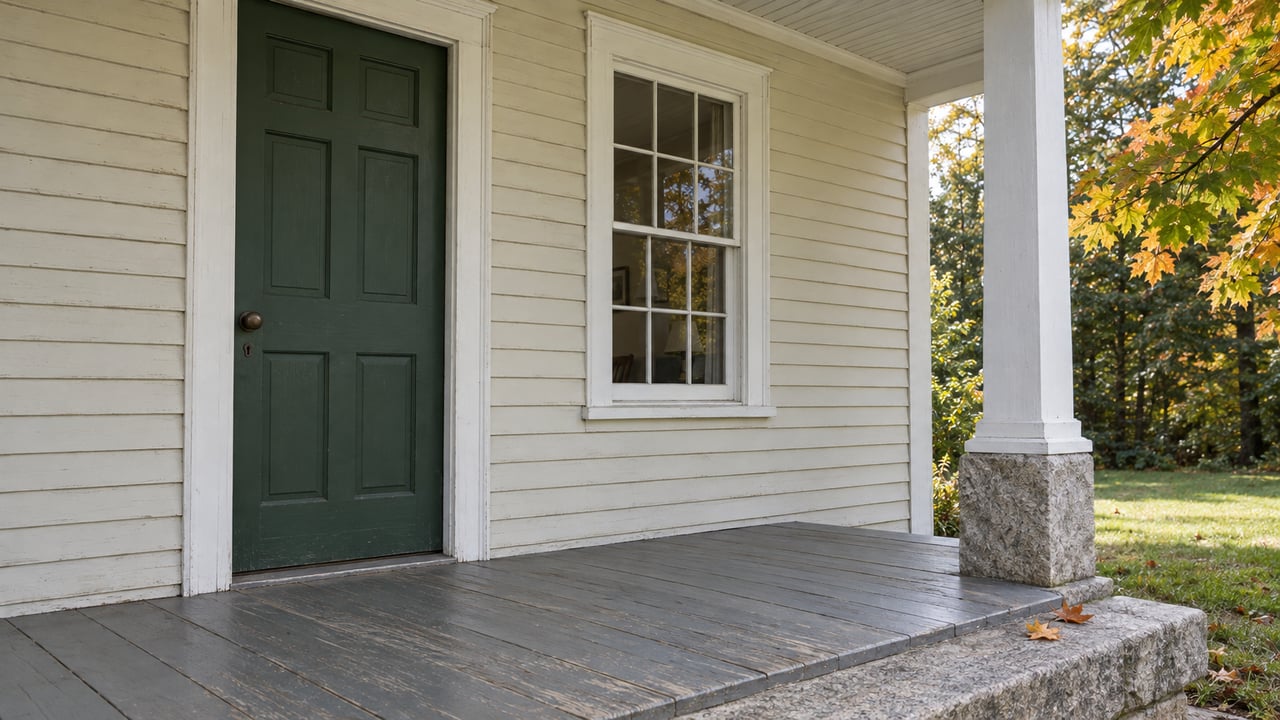
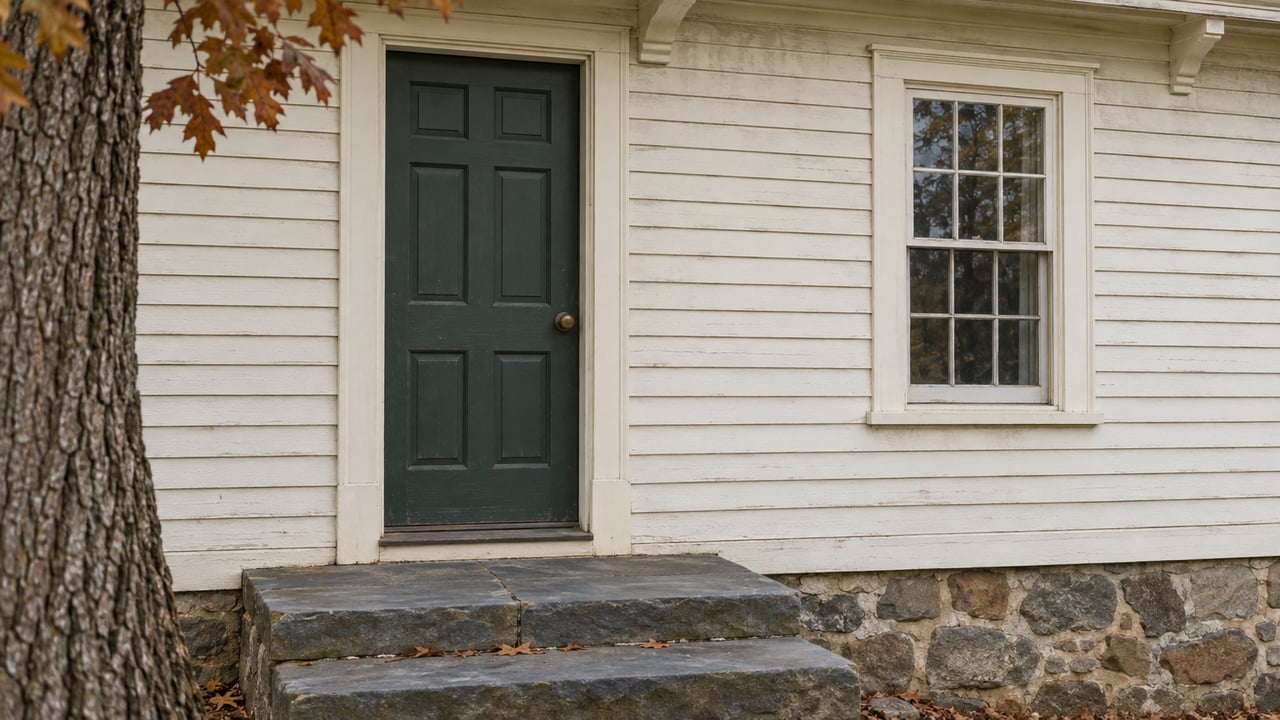
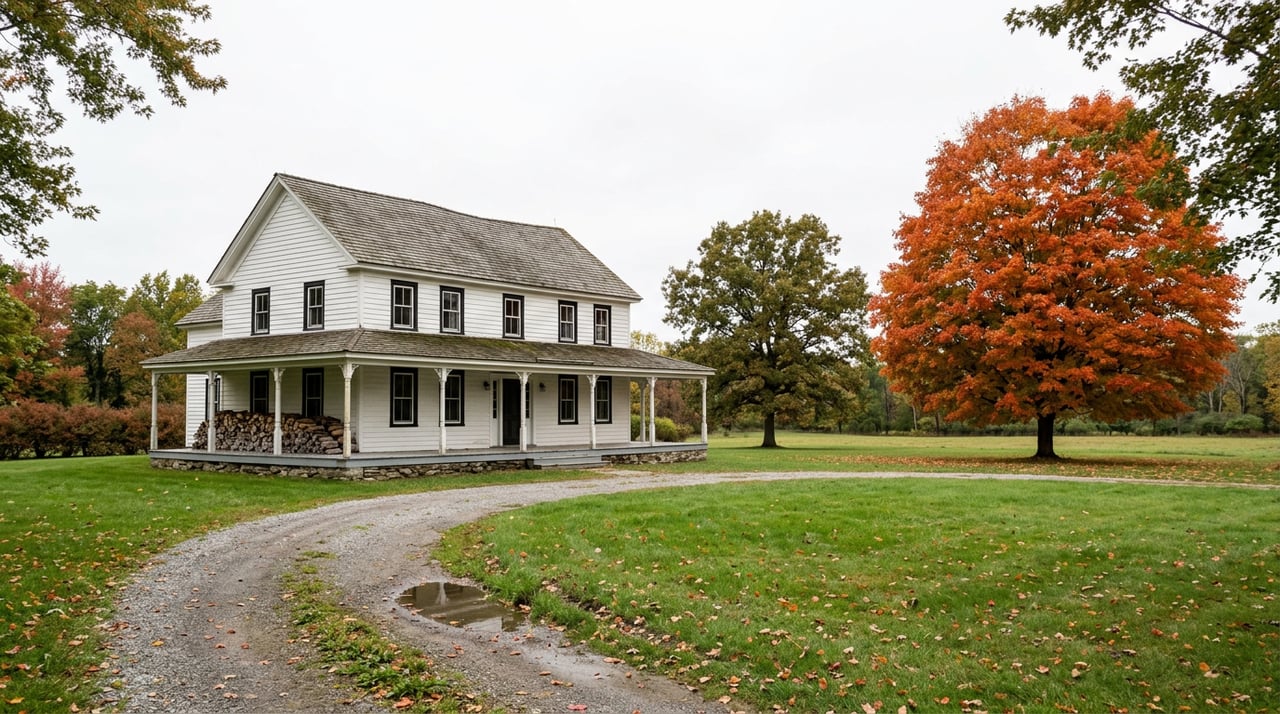
- Colonial and Federal-style homes, farmhouses, renovated barns, cottages, and small estates.
- Lakeshore cottages and homes near Bantam Lake.
- Parcels with acreage, stone walls, woodlands, and occasional outbuildings. Equestrian and hobby-farm parcels appear, though they’re less common near village centers.
- Fewer condos or townhomes; most inventory is single-family.
Pricing varies widely based on condition, acreage, water frontage, and historic significance. Litchfield County has often been less expensive per square foot than Fairfield County and some high-demand Hudson Valley towns, while lakefront or fully renovated historic properties can exceed one million dollars. Because market conditions change, it’s smart to review current MLS data with a local broker for up-to-date pricing.
Timing matters, too. The most active listing season runs from spring through early summer, with many new listings appearing March to June. You’ll often see the best selection in spring, while late fall and winter can offer more room to negotiate when buyer activity slows.
Buying smart: inspections and due diligence
Rural properties require a careful look at systems and site features. Private wells and septic systems are common. Plan to schedule a professional well test for water quality and yield, plus a septic inspection and records review. Because septic replacement can be expensive, budget for inspection and potential updates.
Older homes may include lead paint, knob-and-tube wiring, or oil heating systems. Include inspections for mechanicals, roof, chimney, and insulation. If you’re considering a winter purchase, a cold-weather inspection can also reveal how a home performs when it counts.
If buying lakefront or close to water, confirm flood elevation, shoreline regulations, and insurance requirements. Historic properties may carry preservation restrictions, so verify what work is permitted before you finalize your plans. It’s also wise to confirm property boundaries, shared driveway maintenance, local tax mill rates, and which town services apply to your address.
Financing and insurance are generally straightforward, but appraisals can be unique in rural settings with fewer comparable sales. Start early on insurance quotes, especially for waterfront homes or properties farther from fire services.
Search strategy for NYC buyers
Use a structured plan that fits weekend schedules and hybrid work:
- Get pre-approved before touring. This helps you move quickly when the right property appears.
- Book concentrated weekend tours. A local agent can curate routes and set up private or video showings to maximize your time.
- Visit in more than one season. Summer shows lake access, fall shows foliage, and winter shows road and maintenance realities.
- Start your search in late winter or early spring for selection. Don’t overlook late fall and winter for negotiation opportunities.
- Prioritize commute needs. If you plan to visit the city a few times per week, weigh proximity to a train-served town or accept longer drives.
- Hire a local inspector with rural experience. Ask for chimney, oil tank, and pest checks in addition to general inspections.
- Verify zoning and historic-district rules early. If you hope to add an ADU, garage, or studio, confirm before you close.
A sample weekend plan
- Friday afternoon: Leave the city earlier if you can and plan a 2 to 2.5 hour drive. Arrive to a quiet evening by the fire or on the porch.
- Saturday morning: Tour homes around Morris and Bantam. Focus on properties near Bantam Lake if water access is a priority. Stop by local shops and get a feel for daily errands.
- Saturday afternoon: Walk nearby trails, then drive key routes to a preferred rail station or main highway to time your return.
- Sunday: Revisit favorites, check cell coverage and work-from-home setups, and confirm distances to medical care and groceries. Wrap with a quick second look at any home that made your short list.
Ready to explore?
If you want a weekend place or full-time retreat that balances privacy, village charm, and a manageable drive from the city, the Morris and Bantam area of Litchfield is worth a close look. A local guide can help you compare neighborhoods, time the market, and navigate wells, septic systems, and historic overlays with confidence.
When you are ready, connect with the team at E.J. Murphy Realty. As a third-generation, family-owned brokerage rooted in Litchfield, we pair local knowledge with hands-on service to help you find the right property and negotiate the right terms.
FAQs
How long is the NYC to Litchfield (06751) drive on a typical weekend?
- In normal conditions, plan 2 to 2.5 hours from midtown Manhattan; during peak Friday evenings or holidays, expect 2.5 to 3 or more hours.
Are there direct trains from NYC to Morris or Bantam?
- No. Nearby options include Bridgeport, Waterbury, Danbury, and New Haven, but each requires a 45 to 90 minute drive and may involve less frequent branch-line schedules.
What kinds of homes are common near Bantam Lake?
- You’ll find lakeshore cottages, classic Colonials and farmhouses, renovated barns, and small estates, with many properties offering acreage and woodlands.
When is the best season to shop for homes in Litchfield County?
- Spring through early summer offers the most new listings; late fall and winter can offer better negotiation opportunities when buyer activity slows.
What inspections are most important for rural Litchfield properties?
- Schedule well water quality and yield tests, a septic inspection, and checks for mechanicals, roof, chimney, oil tanks, and pests; verify boundaries and shared driveway responsibilities.
How do lakefront purchases differ from inland homes?
- Lakefront often carries a price premium and requires checks for flood elevation, shoreline regulations, and appropriate insurance; start those reviews early.
Is hybrid commuting to NYC realistic from 06751?
- Yes for many buyers who travel 1 to 2 times per week by car, sometimes combining overnight city stays; daily commuting is uncommon due to travel time.