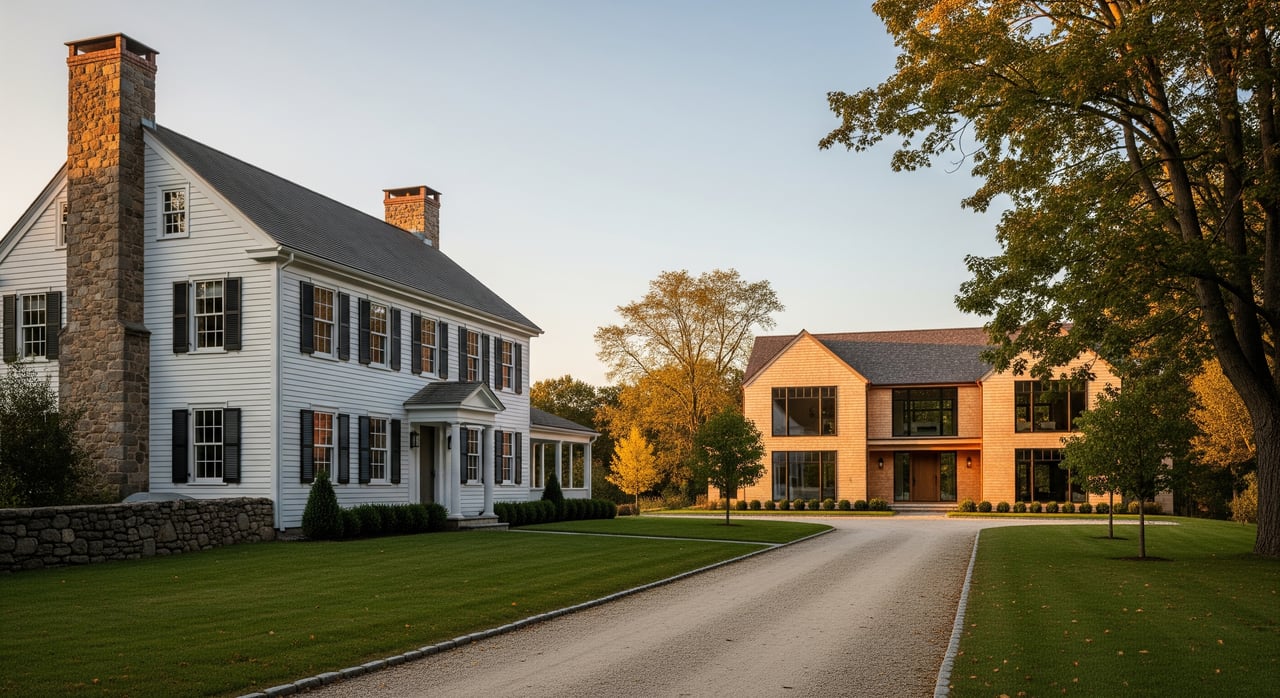
Thinking about whether an antique home or a newer build is the right fit for you in Washington Depot? You’re not alone. Many buyers are drawn to the town’s classic New England charm while also wanting the comfort and efficiency of modern living. This guide walks you through the practical differences in maintenance, energy use, livability, financing, and resale so you can move forward with confidence. Let’s dive in.
Antique vs. new in Washington Depot
Washington Depot sits in rural Litchfield County, where you’ll find a rich mix of 18th– and 19th‑century homes alongside updated older properties and newer construction. Local climate and infrastructure matter here. Cold winters, humid summers, and freeze–thaw cycles put real demands on roofs, foundations, chimneys, and heating systems. Many homes rely on private wells and septic systems, and oil-fired boilers are still common in older properties. Natural gas is not available in every neighborhood.
Some properties fall within locally designated historic districts or are subject to conservation or architectural review. Exterior changes may require approvals, while interior work is usually more flexible. Before you plan any renovation, it’s smart to confirm permitting steps with the Town of Washington and, for historic guidance, review the Connecticut State Historic Preservation Office resources.
Maintenance and ownership costs
What to expect with antiques
Antique homes can deliver beautiful craftsmanship and history, but they often need more frequent and specialized care. Common issues include aging roofs and flashing, stone foundations and drainage concerns, original wood windows and exterior trim, masonry chimneys, and older mechanicals such as oil-fired boilers, early electrical panels, and galvanized or cast‑iron plumbing. If maintenance has been deferred, you may face larger capital projects soon after purchase.
A careful inspection is essential. In addition to a full home inspection, consider specialists for structural engineering, chimneys, septic and well, electrical, oil tank sweeps, pest assessments, and historic-building consultation if in a district. Ask for renovation records and permits when available.
What to expect with newer homes
Newer construction often means lower immediate maintenance, more predictable replacement schedules, and code-compliant systems. You may get tighter building envelopes, modern HVAC, and updated plumbing and electrical. Quality still varies by builder and materials, so an inspection is important. Even newer homes benefit from routine care, especially with New England weather.
Budgeting guidance
- Antiques: plan for higher variability and the possibility of near-term projects.
- Newer homes: expect a steadier, more predictable schedule of upkeep.
- In both cases, set aside a contingency buffer so you can address issues promptly and protect value.
Energy efficiency and retrofits
Why antiques often lag
Older homes were built before modern insulation standards. Single‑pane windows, air leaks, and older heating systems can raise energy use. Many antiques still rely on oil-fired boilers sized for radiators, which may not be as efficient as today’s options.
Smart upgrade sequence
You can improve comfort and efficiency without losing character. A practical order of work is:
- Attic insulation and air sealing. This is usually the most cost‑effective starting point and is out of sight.
- Basement or crawlspace air sealing and foundation insulation where appropriate.
- Heating upgrades. High-efficiency boilers or heat pumps, including ductless mini‑splits, can perform well in New England climates and reduce on‑site combustion.
- Hot water improvements. Consider high-efficiency or heat-pump water heaters.
- Windows. Add interior or exterior storm windows and weatherstripping to preserve historic sash while improving performance. Full replacements are more visible and may require review in a historic district.
- Controlled ventilation. If you tighten the envelope, consider balanced ventilation such as ERV or HRV.
Before you begin, check available incentives and financing. Statewide programs like Energize Connecticut and the Connecticut Green Bank have offered energy assessments, rebates, and financing options. For broader building performance and climate information, the Connecticut Department of Energy and Environmental Protection is also helpful. Program details change, so verify current offerings.
Preservation considerations
If your home is in a historic district, exterior changes that affect the street view may require review. Many high-impact energy improvements can happen inside the envelope, in attics and basements, with minimal effect on appearance. You can also find best practices through the National Trust for Historic Preservation, which provides guidance on retrofitting historic buildings.
Craftsmanship, layout, and livability
Character you can feel
Antique homes often feature original millwork, hardwood floors, built-ins, and plaster walls. You may find higher‑quality old‑growth lumber and hand-crafted details that are hard to replicate today. These materials age beautifully when maintained.
Modern comfort and convenience
Newer construction usually delivers open floor plans, large kitchens, en‑suite bathrooms, and systems ready for today’s appliances and smart home features. If you want single-level living or universal design elements, newer builds may fit more easily.
Adapting an antique
You can update an older home for modern living with thoughtful design. Kitchens and baths can be reworked, and wiring and plumbing can be updated. Keep in mind that older layouts may include load-bearing walls, narrow stairs, and smaller closets. If you value preservation, plan to hire tradespeople skilled in historic carpentry, plaster, and masonry. This specialization can increase costs but supports long-term integrity and resale appeal.
Financing, insurance, and permitting
Loan options
Turn‑key properties typically qualify for conventional fixed-rate mortgages. If your purchase includes significant renovations, ask lenders about:
- FHA 203(k) rehabilitation loans for owner‑occupied homes.
- Fannie Mae HomeStyle Renovation loans for conventional financing.
- Programs through the Connecticut Housing Finance Authority for eligible buyers.
- USDA Rural Development loans in qualifying rural areas of Litchfield County.
Antique properties can be unique. Appraisals may require specialized comparables, and lenders may ask for additional inspections.
Insurance considerations
Older homes can cost more to insure if they have aging wiring, plumbing, or roofing. Insurers may require updates to bind or maintain coverage. Historic finishes and custom millwork can increase replacement-cost calculations. Ask potential carriers about endorsements for code upgrades and mechanical systems.
Permits and reviews
Most additions or major changes require building permits through the Town of Washington’s land‑use and building departments. Septic and well approvals run through local health authorities. If a property is within a historic district, exterior work may need design review before permitting. Start conversations early with the Town of Washington and consult the CT State Historic Preservation Office for guidance on standards and review processes.
Resale and market fit
In Washington Depot, demand for village character and historic properties is strong, but buyer preferences vary. Antique homes often attract shoppers who value authenticity and craftsmanship. That buyer pool can be more focused, which sometimes lengthens search and sale timelines. Newer homes tend to appeal to a broader market seeking low maintenance, high efficiency, and open layouts.
Sympathetic renovations that respect historic character while improving energy performance and daily function can enhance marketability and value. As with any property, avoid over‑improving beyond what recent local sales support. Lean on local comps and agent insight to calibrate your plans.
A simple decision checklist
Use this list to compare specific homes and keep your due diligence on track.
- Walk-through notes: list original features you want to preserve and any elements you would change.
- Order a general home inspection plus indicated specialists: structural engineer, chimney/masonry, septic and well, electric, oil tank, and pest.
- Pull municipal records: property cards, permits, zoning setbacks, and historic district maps from the Town of Washington.
- Request seller documentation: recent inspections, service history for HVAC, well, and septic, and any renovation records.
- Get an energy assessment if efficiency or comfort is a priority. Explore options through Energize Connecticut.
- Talk to lenders early about renovation-friendly financing such as FHA 203(k), HomeStyle, CHFA, or USDA Rural Development programs.
- Seek ballpark contractor estimates for priority repairs and energy upgrades to inform negotiations.
- Confirm insurance eligibility and estimated premiums given the home’s current systems and condition.
Putting it all together
Choosing between an antique and a newer home in Washington Depot comes down to your tolerance for maintenance, your interest in historic character, and how you prioritize energy efficiency and layout. Antiques reward stewardship and thoughtful upgrades, while newer homes offer turn‑key comfort and predictability. With the right inspections, financing plan, and local guidance, you can buy with clarity and enjoy the best of Litchfield County living.
Ready to talk through a specific property or compare recent local sales? Reach out to the team at E.J. Murphy Realty. We’re here to help you weigh the tradeoffs, connect you with trusted local resources, and find the right fit for your goals.
FAQs
What should Washington Depot buyers inspect on antique homes?
- Prioritize roof and flashing, foundations and drainage, chimneys, electrical and plumbing, heating systems, and septic and well, plus any available permits and service records.
How can I improve energy efficiency without losing historic character?
- Start with attic and basement air sealing and insulation, then consider heat pump or boiler upgrades, hot water improvements, storm windows, and balanced ventilation if needed.
Do historic districts limit what I can change on a home’s exterior?
- Yes, exterior work visible from public ways may require local review. Check with the Town of Washington and the CT SHPO for guidance before planning.
What financing options help with purchase plus renovations in Connecticut?
- Explore FHA 203(k), Fannie Mae HomeStyle, CHFA programs, and USDA Rural Development loans in eligible rural areas. Lender requirements vary.
Are there energy incentives for upgrades in Litchfield County?
- Programs have changed over time; review current offerings through Energize Connecticut and the Connecticut Green Bank before you begin.