If your ideal Saturday starts with coffee and a short stroll around a centuries‑old town green, Litchfield’s historic village center might be your place. You get a compact, walkable hub set within a larger rural town, so daily life can feel both lively and laid‑back. In this guide, you’ll learn what living near the Green really looks like, how village life compares to outlying parts of Litchfield, and what to check before you buy. Let’s dive in.
The heart of 06759
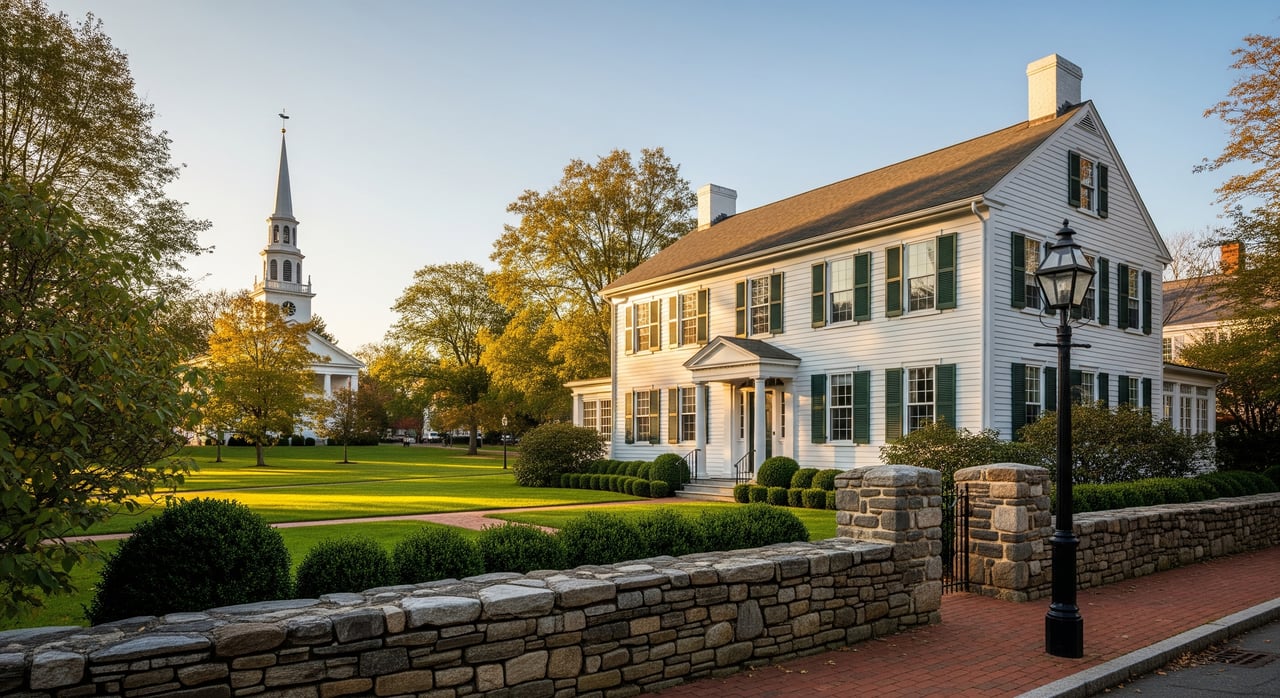
The village center sits at Litchfield’s historic core around the town green. Much of this area is within a designated historic district, which gives the streetscape a cohesive New England feel. You’ll see period architecture, stone walls, mature trees, and civic buildings that anchor community life. For background on the town’s preservation story and programming, the Litchfield Historical Society is a helpful resource.
Why the center appeals
Buyers choose the village center for convenience and character. You trade bigger lots for walkability, access to independent shops and dining, and a steady rhythm of community events. The mix of residents often includes year‑round homeowners, remote professionals, retirees, and second‑home owners who enjoy having amenities close by.
Daily life on and around the Green
Walkability and errands
Most daily errands can happen on foot. In the core, you’ll find cafés, a bakery, specialty food shops, a pharmacy, a bank, and service businesses. Grocery trips for larger shops usually mean a short drive to supermarkets outside the historic center, while quick pick‑ups are easy from small markets and specialty stores nearby. Visitors and locals alike use regional guides like the Connecticut Office of Tourism to keep up with seasonal happenings and places to explore.
Architecture and housing character
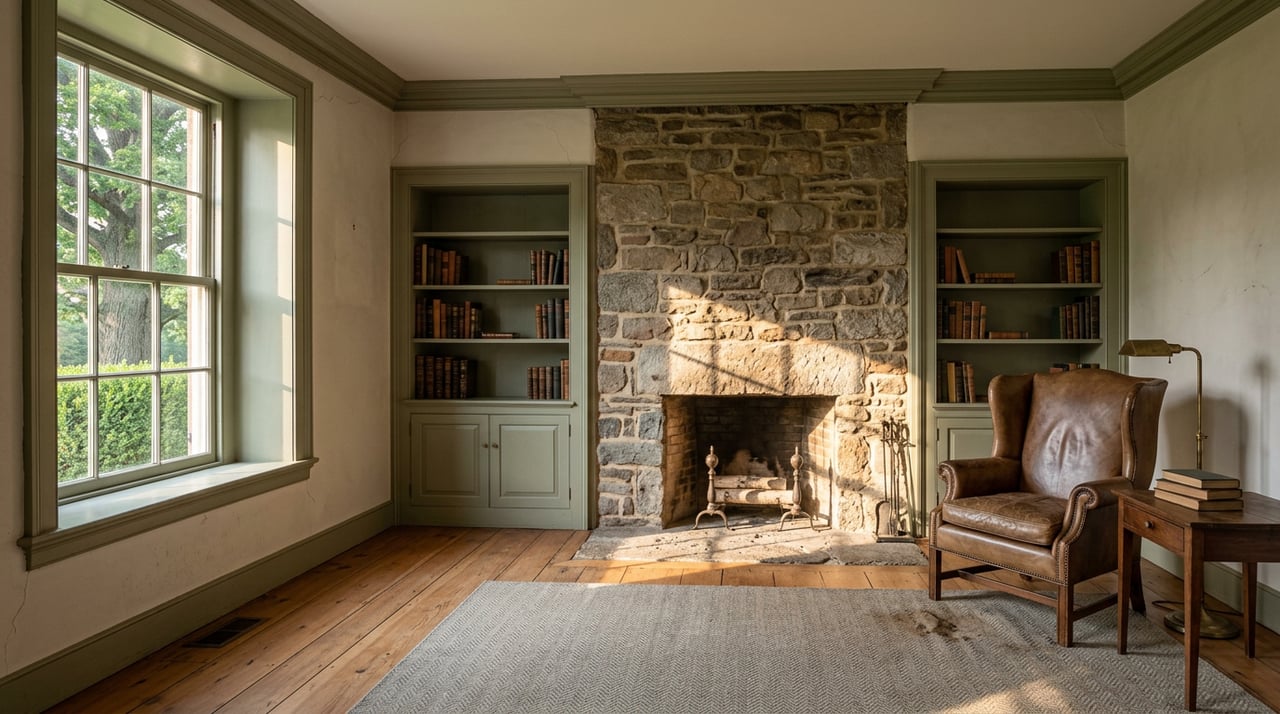
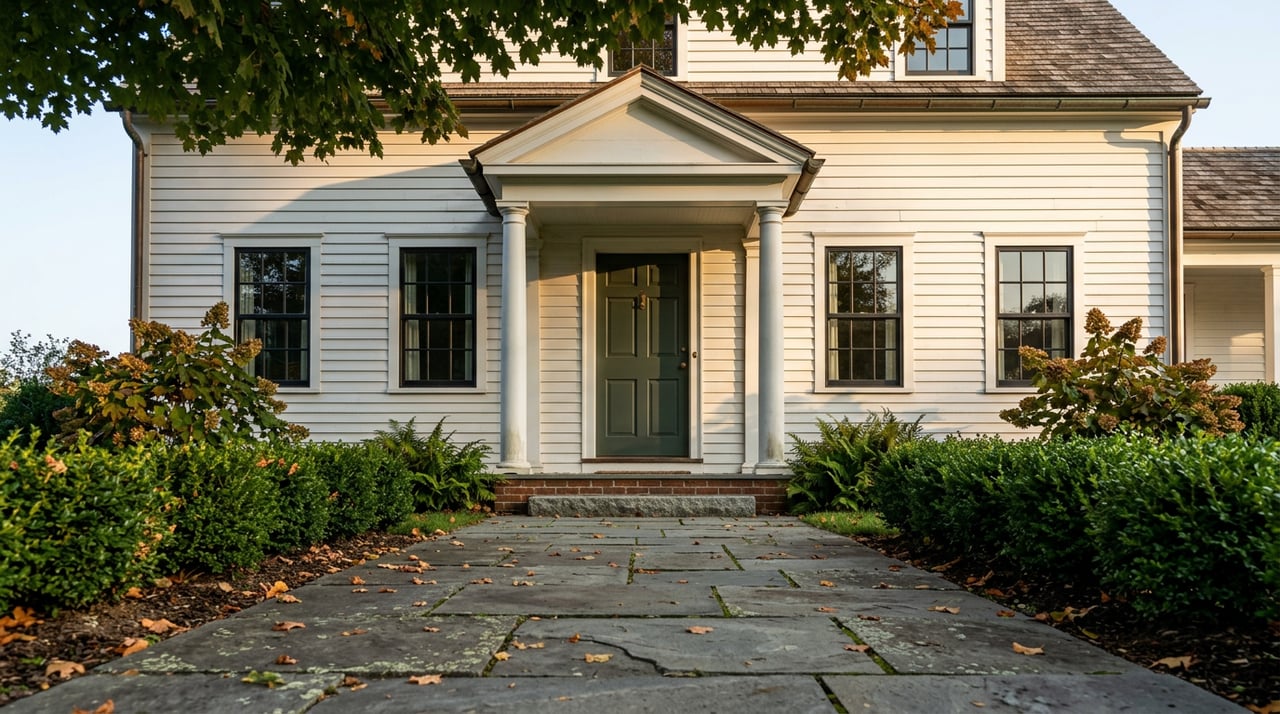
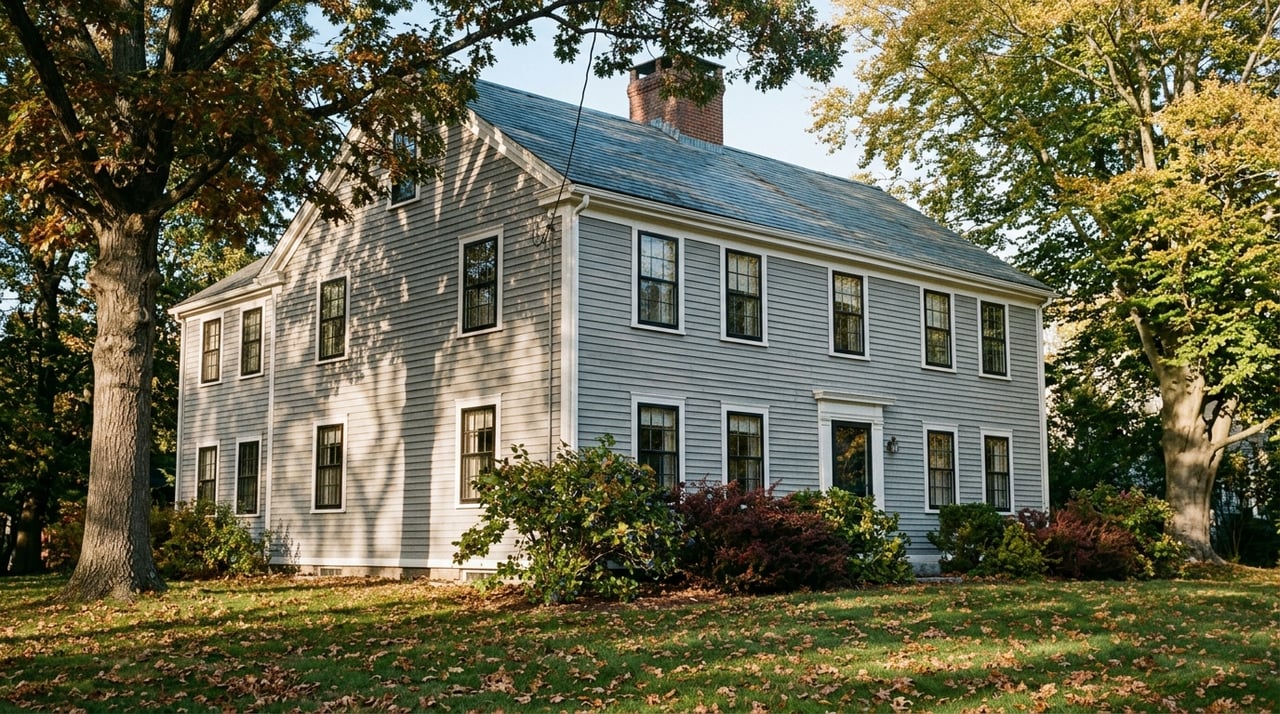
You’ll encounter Georgian, Federal, Greek Revival, and Victorian buildings woven through the streets near the Green. Homes often sit closer together than in rural parts of town, with smaller lawns and stone walls edging sidewalks. If you’re considering a period home, plan for typical older‑home needs such as system upgrades and exterior care, and confirm any historic‑district guidelines that may apply to exterior changes.
Community and events
The Green works as Litchfield’s front porch. Seasonal events may include farmers’ markets, craft fairs, outdoor performances, holiday gatherings, and occasional house tours. Local nonprofits and volunteers keep civic life active, and organizations like the Litchfield Historical Society help anchor programming throughout the year.
Nature at your doorstep
Even in the village, open space is nearby. Trails, woodlands, and conservation lands serve both village and rural residents, with the White Memorial Conservation Center offering extensive trails, nature programs, and year‑round access to the outdoors. It’s a practical balance if you want both walkable daily life and quick trail time.
Village vs. rural: find your fit
Land and home types
- Village center: Smaller lots, closer neighbors, historic single‑family homes and some small multi‑unit or converted buildings near the core. Ideal if you value walkability, civic life, and architectural character.
- Rural Litchfield: Larger parcels and acreage, farmhouses and country homes, meadows and forested tracts with outbuildings. Best if you want privacy, space for gardening or animals, and broad scenic views.
Rhythm and traffic
- Village center: More foot and car activity day to day, plus seasonal spikes on popular weekends and during events.
- Rural: Quieter roads and more seclusion, with longer drives for errands and services.
Costs and upkeep
- Village center: Historic homes can require periodic investment in roofing, windows, foundations, and mechanical systems. If your property falls within a historic district, some exterior changes may require review.
- Rural: Ongoing costs often relate to land and infrastructure, such as driveway care, well and septic maintenance, and tree management.
Getting around
The center has easy local access via state and U.S. routes. There is no major passenger rail station in the immediate core, and long‑distance commutes typically require driving. Many New York area second‑home owners drive in for weekends and appreciate minimizing extra car time once they arrive. Parking is usually on‑street or in small municipal lots, though it can be tight during peak events.
Buyer checklist for the village center
Zoning and historic review
Many properties near the Green lie within local historic districts or special zoning overlays. Before you plan exterior work, verify what requires approval, including additions, fences, and signage. Start with the Town of Litchfield for zoning maps, permits, and commission contacts, and use the Litchfield Historical Society for district context and resources.
Utilities and internet
Service types vary street by street. Some pockets near the center connect to municipal water or sewer, while others use wells and septic systems. Broadband availability can differ by provider and address, so confirm upload and download speeds if you work from home. Ask your agent to help you pull utility maps and verify connections during due diligence.
Taxes and insurance
Check current mill rates and assessments through the town assessor, and discuss insurance differences for older buildings or rural systems like wells and septic. Historic materials and specialty contractors can influence coverage needs and costs. The Town of Litchfield is the best starting point for tax and assessor information.
Schools and childcare
If schools are part of your decision, verify current district assignments and enrollment details directly with the Connecticut State Department of Education and the local district. This ensures you have the latest on programs, transportation, and school locations.
Parking and guests
On busy weekends, parking fills quickly near the Green. If you expect frequent visitors, consider off‑street options on your property and learn local on‑street rules or time limits. Event days may require patience and a plan for guests.
Resale and market drivers
Properties with preserved historic character and walkable convenience tend to hold enduring appeal. For second‑home owners, proximity to dining, shops, and events can support future resale and potential rental interest. Strong preservation and community programming are long‑term advantages for the village market.
Who thrives in the village center
If you like to leave the car parked, walk to coffee, and bump into neighbors at the farmers’ market, the village center fits well. Remote professionals often appreciate the blend of home office life and quick access to errands. Second‑home owners enjoy having culture, dining, and trails close by, especially on short weekend stays. If your top priorities are acreage, workshops, or wide buffer zones, the rural parts of Litchfield may suit you better.
Work with a local guide you can trust
Choosing between the village center and the countryside starts with your lifestyle. You deserve clear advice on historic‑district rules, utility details, and what the market values most on both sides of town. As a third‑generation, locally rooted brokerage, E.J. Murphy Realty brings deep community knowledge, tailored marketing, and experienced negotiation to help you buy or sell with confidence.
FAQs
Can I walk to most daily needs in Litchfield’s village center?
- Yes. Many errands, like coffee, specialty foods, a pharmacy, and banking, are within a short walk of the Green. Larger grocery trips typically require a quick drive.
Are historic homes in the center more expensive to maintain?
- They can be. Expect periodic investments in roofs, windows, foundations, and system upgrades, and confirm any historic‑district approvals for exterior work.
What is the commute to New York City like from the village?
- There is no major passenger rail station in the immediate center, and most long‑distance travel requires driving. Many second‑home owners drive for weekend visits rather than daily commuting.
Is there nightlife or cultural activity near the Green?
- Cultural life is small‑scale and community‑oriented. You’ll find galleries, seasonal events, and performances rather than late‑night venues. Check the Connecticut Office of Tourism for current listings.
Who typically lives in Litchfield’s village center year‑round?
- You’ll find a mix of long‑time locals, remote workers, retirees, and second‑home owners. The balance can shift seasonally as visitors and weekenders come and go.