Love the idea of an antique Cornwall farmhouse with wide‑plank floors and a crackling hearth? You are not alone. Historic homes here offer character you cannot recreate, but they also come with unique rules, systems, and upkeep to understand. In this guide, you will learn how designations work, what to inspect, how to plan preservation‑minded updates, and where financing and approvals fit in. Let’s dive in.
Why Cornwall’s historic homes appeal
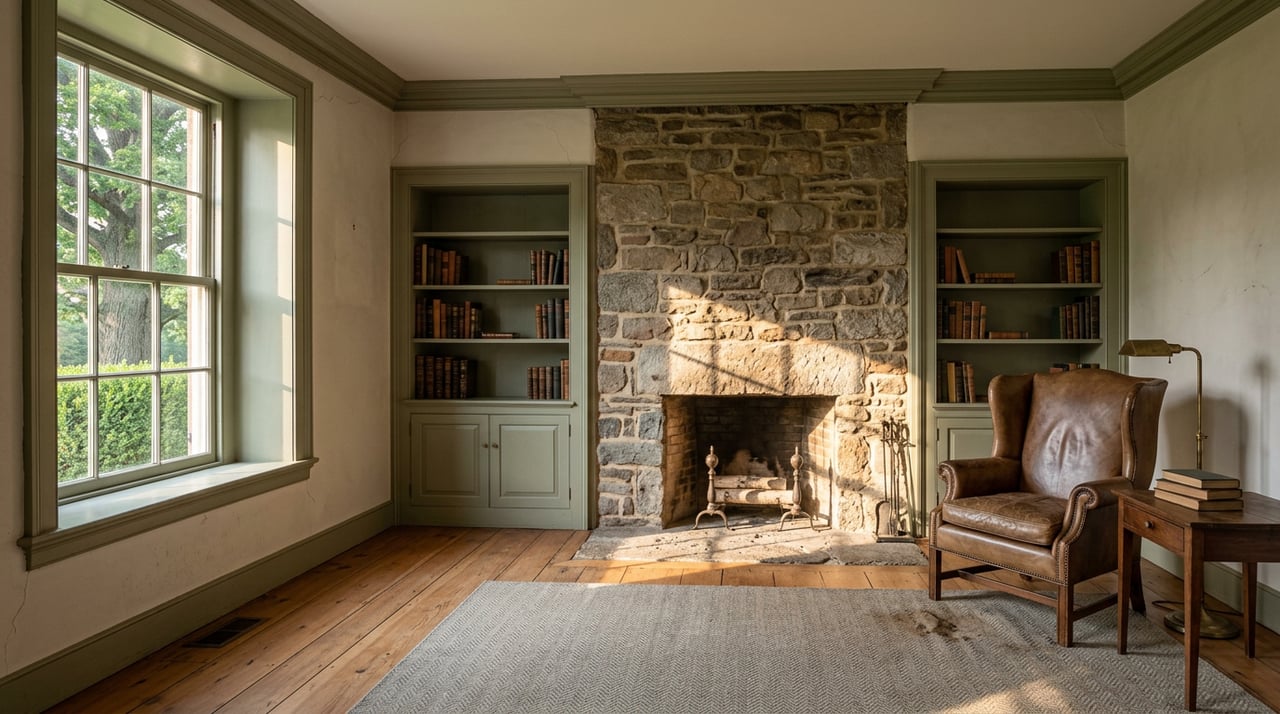
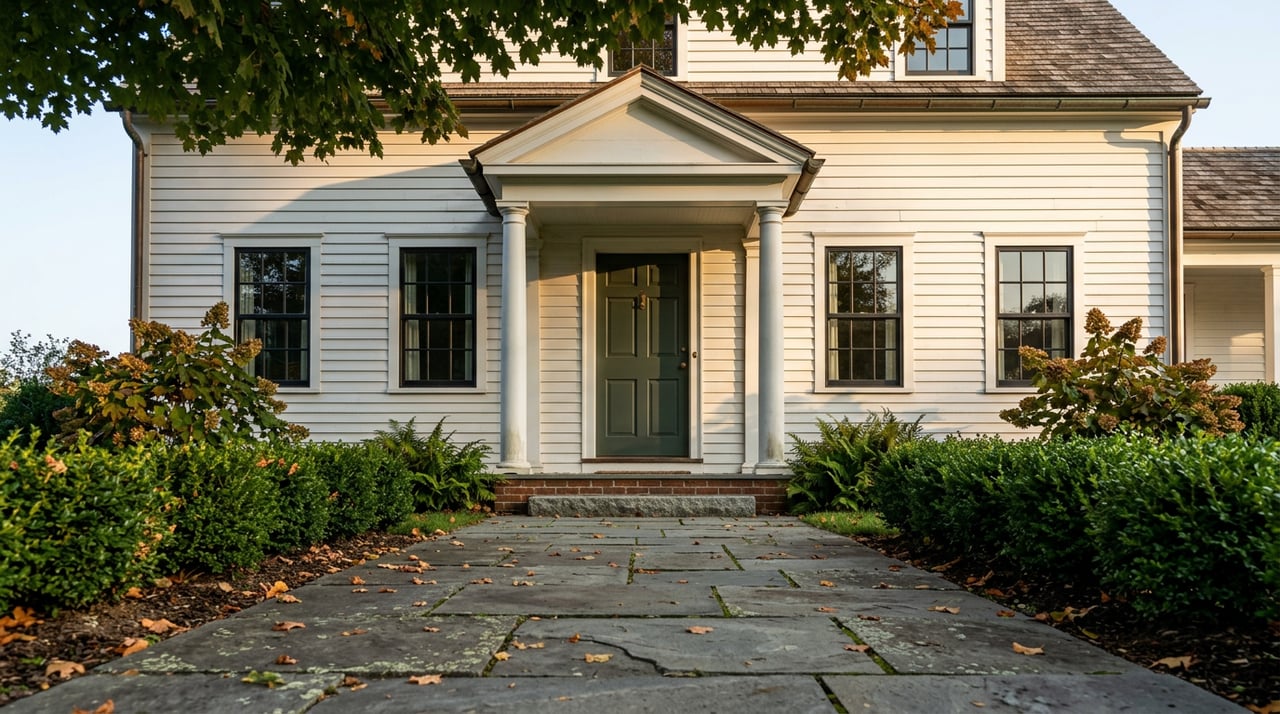
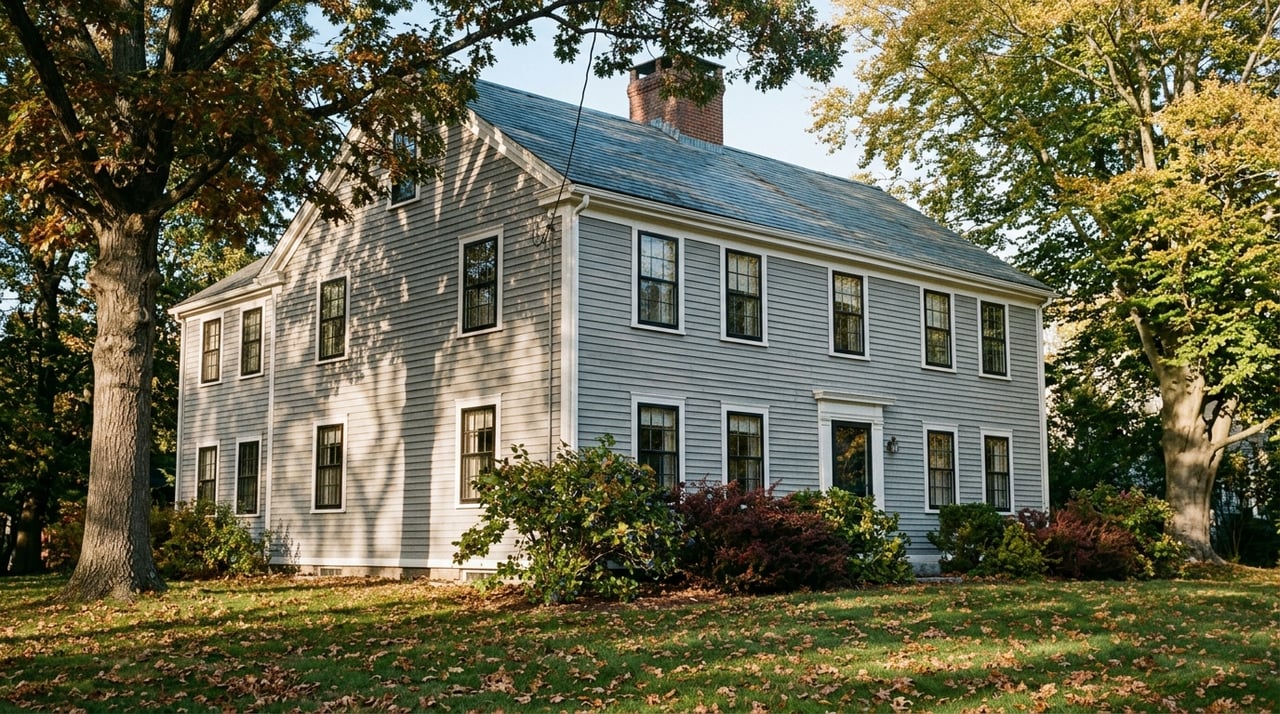
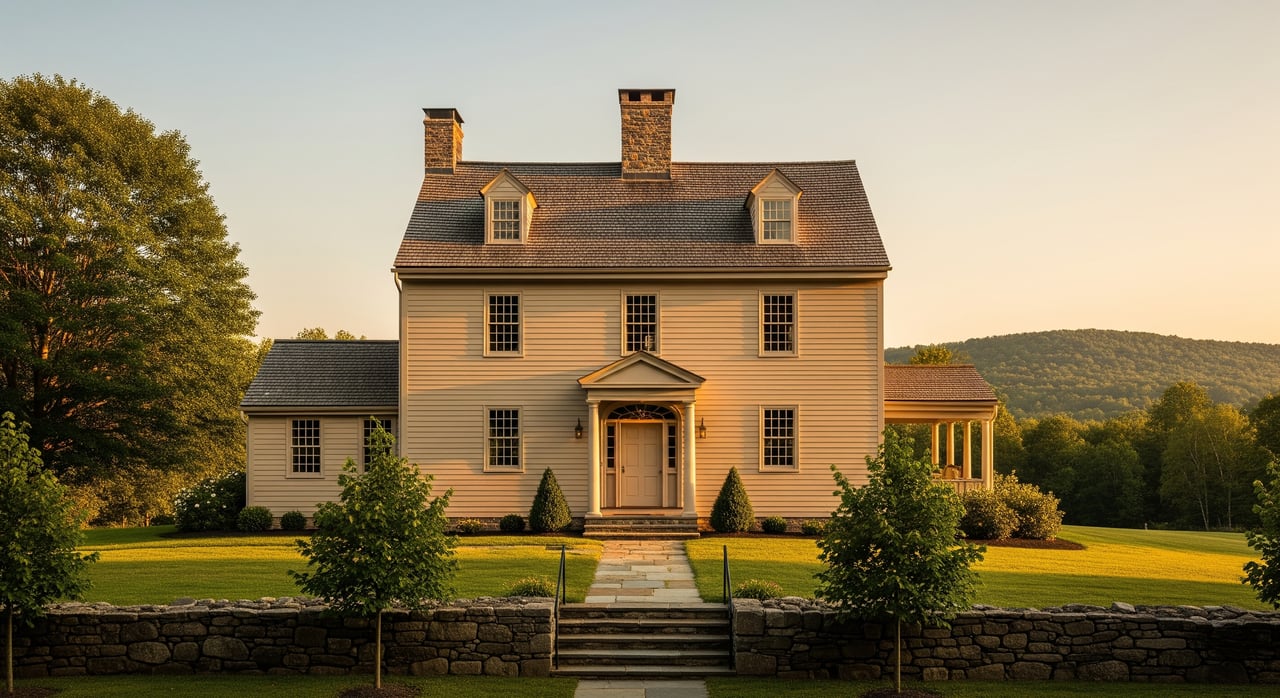
Cornwall is a rural New England town known for 18th–19th‑century Colonials and farmhouses. You will often see timber‑frame construction, fieldstone foundations, wood clapboard or shingle exteriors, and central chimneys. Inside, buyers value mouldings, wide‑plank floors, fireplaces, and exposed beams.
Many properties sit on wooded or scenic parcels with wells and private septic systems. Expect longer driveways, a true four‑season climate with snow and freeze/thaw cycles, and maintenance shaped by rural access. Second‑home buyers should plan for winterization and caretaker or contractor coverage when the house is vacant.
Understand designations before you bid
Historic status affects what you can change, especially outside. Here is how the main designations work in practice.
National and state listings
A listing on the National Register of Historic Places recognizes significance. It usually does not restrict a private owner’s renovations unless federal money, permits, or licenses are involved. State listings in Connecticut are similar for private owners and can help with research and programs.
Local historic districts
Local historic districts are the key constraint on visible exterior work. If the home sits in a district, you may need a Certificate of Appropriateness for changes to siding, windows, porches, rooflines, additions, or demolitions. Plan time for review and expect a repair‑over‑replace mindset.
Easements and covenants
Some properties carry historic preservation easements or deed covenants. These private legal tools can govern exterior and interior changes. Your title search must identify them early.
How to confirm status
- Ask the Cornwall Town Clerk, Assessor, and Building/Planning offices about local districts and maps.
- Check with Connecticut’s State Historic Preservation Office and the National Register database.
- Review the deed and title report for recorded easements or covenants.
- Request copies of prior permits and any Certificates of Appropriateness.
Practical takeaway: the most immediate rules usually come from local district regulation or recorded preservation easements. Confirm both before you write an offer.
Do smart due diligence
Older houses reward careful investigation. Build time into your offer for inspections, document review, and specialist input.
Documents and permits
- Order a full title search for easements, covenants, and any municipal liens or enforcement actions.
- Request prior building permits, drawings, and any historic commission approvals.
- Confirm zoning, setbacks, lot coverage, and whether scenic road or wetlands rules apply.
Inspections and tests
- General home inspection by someone experienced with historic timber framing and masonry.
- Structural assessment if you see settlement, floor sag, or major alterations.
- Chimney and fireplace inspection and sweep; many need repointing or flue relining.
- Electrical review for knob‑and‑tube wiring or undersized service.
- Plumbing check for cast‑iron or galvanized lines that need replacement.
- HVAC evaluation, including oil tank status and heat pump feasibility.
- Foundation and moisture review; fieldstone often needs repointing or mitigation.
- Pest inspection for wood‑destroying organisms.
- Well water testing for bacteria, nitrates, and lead, plus a yield test.
- Septic inspection or percolation test; this is essential for rural properties.
- Environmental tests as applicable: lead paint in pre‑1978 homes, asbestos in finishes, and fuel oil tank checks.
Specialists to engage
- Preservation‑sensitive architect or contractor with historic experience.
- Structural engineer familiar with older framing and foundations.
- Certified lead risk assessor and licensed asbestos contractor if needed.
- Septic designer/engineer and licensed well contractor.
- Surveyor to confirm boundaries and rights‑of‑way.
- Local land use attorney if covenants or complex permitting are involved.
Disclosures and legal items
- For homes built before 1978, the seller must provide lead paint disclosures and the federal EPA pamphlet.
- Ask for records of code violations, permits, and any unpermitted work. Unpermitted work can affect insurance, financing, and future approvals.
Plan updates the right way
Historic homes can live beautifully with modern needs if you follow proven standards and respect the original fabric.
Guiding principles
- Use the Secretary of the Interior’s Standards for Rehabilitation as your framework.
- Preserve character‑defining features and avoid removing historic materials.
- Make changes reversible when possible and document existing conditions before work.
Exterior changes and review
- Expect review of roofs, siding, windows, porches, chimneys, and landscape features visible from public ways if in a local district.
- Many commissions prefer repair over replacement. When replacement is necessary, in‑kind materials and profiles are often required.
- Additions are typically possible when sited and scaled to be clearly secondary to the historic house.
Windows and energy efficiency
- Favor repair over replacement: reglaze, weatherstrip, and add storm windows.
- If replacement is unavoidable, match historic profiles and muntin patterns.
- Boost performance with attic insulation, insulated storms, and basement or crawlspace insulation. Be cautious with wall insulation in solid masonry to avoid trapping moisture. Consult a preservation contractor or building scientist.
Systems, safety, and comfort
- Consider minimally invasive HVAC like ductless mini‑splits or high‑efficiency boiler retrofits. Place equipment in less visible areas.
- Upgrade fire detection and wiring with low‑impact methods, including wireless detectors.
- Plan accessibility solutions that are compatible and reversible.
Materials and workmanship
- Use traditional materials where possible, such as wood clapboards and lime‑based mortars on historic masonry.
- When modern materials are used, match the original profile and appearance.
- Hire contractors with specific historic rehabilitation experience.
Balancing old and new
- Prioritize preserving exterior features visible from public ways if under review.
- Focus modernization on interiors like kitchens, baths, and mechanical systems.
Budget, financing, and insurance
Historic charm comes with distinct cost planning. Build a healthy contingency for surprises like hidden rot, foundation work, and system upgrades.
- Renovation loans that combine purchase and rehab costs include FHA 203(k) and Fannie Mae HomeStyle Renovation. Discuss eligibility and appraisal steps with lenders early.
- Federal historic rehabilitation tax credits generally apply to income‑producing properties, not owner‑occupied single‑family homes.
- Explore potential state or local preservation or energy incentives through Connecticut programs.
- Expect higher insurance premiums if original materials and older systems remain. Insurers may ask for documentation of upgrades to reduce risk and cost. Confirm insurability early in your process.
Permits and approvals in Cornwall
Plan for two tracks: standard building permits and any historic approvals. Most renovation work requires municipal permits for building, electrical, and plumbing. If the home is in a local historic district, you may also need a Certificate of Appropriateness before exterior work proceeds.
Check timing with the Cornwall building department and any Historic District Commission. If your planned work is part of your purchase decision, discuss the review timeline before closing. Some parcels may also involve scenic road or wetlands review, so factor that in.
Second‑home buyer tips
Cornwall works well as a weekend or seasonal base with the right setup. Plan for:
- Winterization steps, including heat settings, shut‑off protocols, and caretaker checks.
- Remote monitoring for temperature, water, and security.
- A local bench of contractors for snow, driveway, and emergency service. Small‑town availability can be seasonal, so book ahead.
Quick buyer checklist
- Confirm historic status, district location, and any preservation easements.
- Request prior permits, approvals, and plans before you offer.
- Include contingencies for a historic‑savvy inspection, septic, well, and full title review.
- Line up your team early: inspector, preservation‑minded architect/contractor, and a land use attorney if needed.
- Identify whether you will need a Certificate of Appropriateness and plan for review time.
- Add a strong budget contingency for hidden conditions and system upgrades.
Final thoughts
Buying a historic home in Cornwall is about matching timeless architecture with smart planning. When you understand designations, complete thorough inspections, and approach updates with a preservation lens, you set yourself up for success. With the right team and timeline, an antique farmhouse or Colonial can deliver both comfort and long‑term value.
If you are exploring historic homes across Litchfield County, we are happy to help you evaluate options, plan due diligence, and navigate local approvals. Connect with the local team at E.J. Murphy Realty to start a thoughtful search.
FAQs
What defines a historic home in Cornwall, CT?
- Many Cornwall homes date to the 18th and 19th centuries, often with timber‑frame construction, fieldstone foundations, wood clapboards or shingles, central chimneys, and traditional floor plans.
How do local historic districts affect renovations?
- If the property sits in a district, visible exterior work typically needs a Certificate of Appropriateness. Expect a preference for repair and in‑kind replacement.
Which inspections are most important for wells and septic?
- In rural areas, a full well water test and yield test plus a septic inspection or perc test are essential. Review septic records and plan for upgrades if needed.
Can you use FHA 203(k) or HomeStyle loans on antiques?
- Yes, these programs can finance purchase and renovation together, subject to lender and program rules. Speak with lenders early about eligibility and appraisals.
Do owner‑occupied historic homes qualify for federal tax credits?
- Generally no. Federal historic rehabilitation credits are aimed at income‑producing properties. Confirm with preservation and tax professionals.
How can you boost efficiency without replacing windows?
- Repair original sash, add weatherstripping and storm windows, and increase attic and basement insulation. Be cautious with wall insulation in solid masonry.
Are insurance costs higher for antique homes?
- They can be, especially with older systems and original materials. Early conversations with insurers and documentation of upgrades can help manage premiums.
What should second‑home buyers plan for in winter?
- Set up winterization protocols, remote monitoring, and local caretaker support. Book snow and maintenance services ahead to ensure availability.