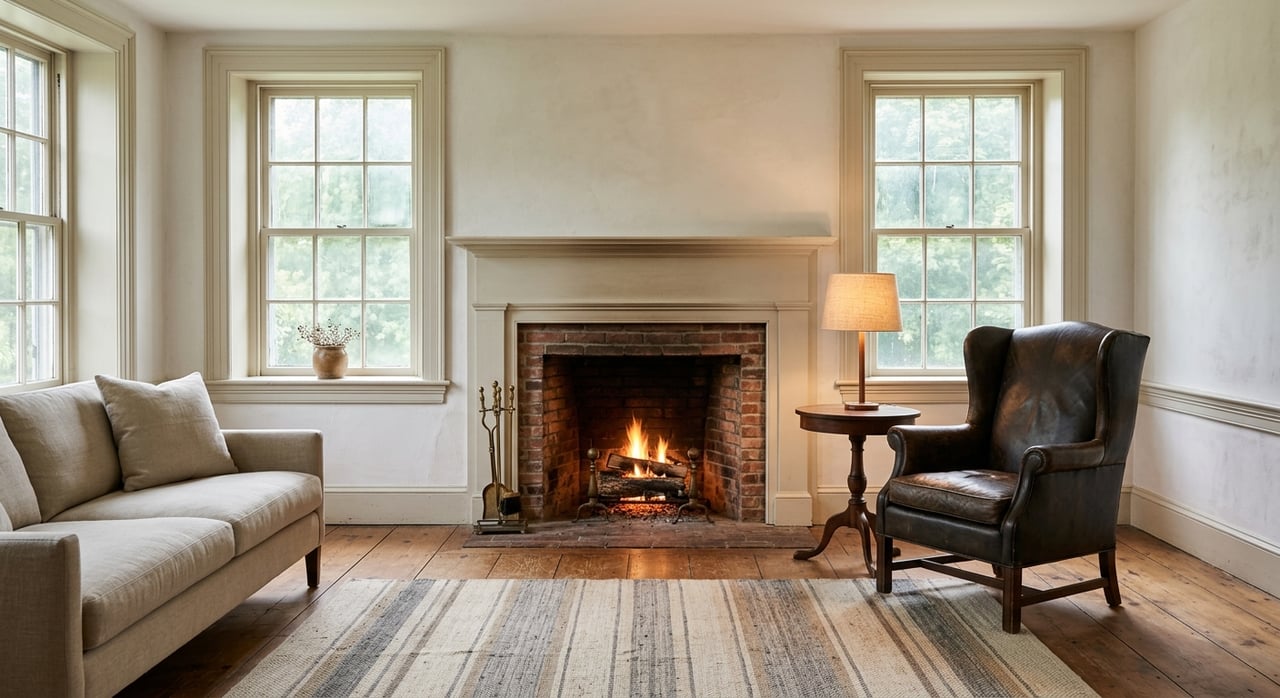
Selling a historic home in Cornwall is different from selling a newer property. Buyers are often drawn to the craftsmanship, setting, and story as much as the square footage. If you want to protect value and attract the right buyer, it helps to prepare with care, document what makes the home special, and market it in a way that feels true to the property. Let’s dive in.
Know What Makes Your Home Historic
In Cornwall, history is part of the landscape. The town, incorporated in 1740, is known for its early iron and agricultural history, its covered bridge, and its many documented barns, all of which help shape buyer expectations for older homes in the area. You can see that local context on the Town of Cornwall website.
For many buyers, a historic home is not just old. According to the National Association of Realtors consumer guide to buying a historic property, a historic home is typically at least 50 years old and retains architectural integrity or cultural significance. That means your original layout, millwork, floors, windows, doors, fireplaces, and hardware may be important selling points, not features to hide or replace.
The National Park Service describes these elements as character-defining interior features. In practical terms, buyers in Cornwall may respond strongly to original stairs, entry halls, old-growth floors, traditional windows, and preserved trim because those details help tell the story of the house.
Verify Historic Designation Early
Before you schedule repairs or write listing remarks, confirm exactly how the property is designated. In Connecticut, local, state, and national historic designations do not all work the same way, and it is important not to blur them together.
According to the Connecticut State Historic Preservation Office FAQ, State Register listing does not itself restrict a private owner’s use or development. The National Register also does not place federal restrictions on a private owner unless federal funding, licensing, or permitting is involved. Local rules, however, can still apply.
If your property is in a local historic district or is locally designated, exterior work may require review. A good first step is checking the ConnCRIS historic property database and then confirming any local requirements before work begins.
Check Cornwall Requirements Before Repairs
If you are planning pre-listing repairs, renovations, or demolition-related cleanup, involve the local building office early. The Cornwall Building Department handles code compliance for renovation, alteration, repair, move, and demolition work.
This step matters for two reasons. First, it helps you avoid delays during the listing period. Second, if a designated exterior feature is involved, you may need to confirm whether preservation review applies before starting the work.
Focus on Pre-Listing Repairs That Protect Value
When sellers prepare a historic home for market, the best return often comes from solving functional problems before cosmetic ones. Buyers may fall in love with original details, but they still worry about leaks, moisture, paint failure, outdated systems, and deferred maintenance.
Connecticut’s guide to energy efficiency in historic homes recommends taking a whole-house approach instead of making random upgrades one at a time. That can mean evaluating moisture conditions, insulation, air sealing, and mechanical performance together rather than chasing one visible issue.
The same guide also recommends identifying character-defining features before making changes. In many historic homes, it makes more sense to repair significant windows and doors rather than replace them. That approach can preserve the home’s appearance while addressing performance concerns in a more thoughtful way.
Issues to Address Before Listing
Prioritize the items most likely to affect inspections or buyer confidence:
- Roof leaks or signs of water intrusion
- Moisture or mold concerns
- Peeling paint and deferred exterior maintenance
- Failing or outdated mechanical systems
- Window and door repair needs
- Ventilation, air sealing, or energy assessment needs
- Potential asbestos, vermiculite, radon, or lead-related concerns
These may not be glamorous improvements, but they often make the difference between a smooth transaction and a renegotiation.
Understand Lead Disclosure Rules
If your Cornwall home was built before 1978, lead disclosure is not optional. Connecticut requires sellers to provide lead information, disclose known lead hazards and available reports, and give buyers a 10-day window to conduct a lead inspection.
The state also notes that lead inspections must be performed by licensed or certified professionals, and home test kits are not approved in Connecticut. If you already have reports, organize them before listing so buyers receive clear, complete information.
Preserve Features Buyers Notice Most
Historic buyers tend to notice details that make a home feel authentic. The National Park Service identifies floor plans, primary stairs, fireplaces, trim, doors, windows, floors, fixtures, and hardware as features that often define the building’s character.
That means your pre-listing strategy should not be about stripping away age. It should be about helping buyers see the home at its best. Clean surfaces, careful paint choices, functioning hardware, and well-presented original features can make the house feel both preserved and livable.
Stage the Home Around Its Story
Staging can help buyers connect with a historic home more quickly. According to the 2025 NAR staging findings, 29 percent of agents reported a 1 percent to 10 percent price increase from staging, and 49 percent said staging helped homes sell faster.
For a historic property, staging should highlight the areas buyers care about most while letting period details remain visible. NAR notes that buyers pay close attention to the living room, primary bedroom, and kitchen, so those spaces deserve extra attention.
Historic Staging Priorities
Focus on making these details easy to see:
- Front hall and main circulation spaces
- Original staircase
- Fireplaces and mantels
- Millwork and trim
- Historic windows and doors
- Wide-plank or original flooring
- Period hardware and fixtures
Use furnishings and decor that feel clean, simple, and scaled to the architecture. The goal is to help buyers imagine living in the home without distracting from what makes it special.
Use Photography That Captures Character
Historic homes need more than standard listing photos. Buyers often shop online first, and older properties benefit from photography and video that show both atmosphere and detail.
NAR reports that photos, video, and virtual tours rank highly with buyers. For a Cornwall historic home, that means your visuals should capture the approach to the property, important architectural features, natural light, outbuildings if relevant, and the relationship between the home and its setting.
In Cornwall, local context can strengthen the story. References to the town’s long agricultural history, preserved landscape, and recognized historic features can help your property feel rooted in place when that context is accurate and relevant.
Build a Provenance Packet
One of the smartest ways to market a historic home is to assemble a simple documentation package for interested buyers. This can give your listing more credibility and answer common questions before they become objections.
The National Park Service’s approach to heritage documentation is a helpful model. For a seller, that usually means gathering historical and descriptive information that shows how the property evolved over time.
What to Include
A strong packet may include:
- Historic designation paperwork or nomination files
- Old photographs of the home or outbuildings
- Renovation receipts and contractor records
- Notes on major system updates
- Surveys, plans, or drawings if available
- Information about contributing barns or garages if relevant
This type of documentation can help serious buyers feel more confident about both stewardship and future planning.
Price With Care, Not Assumptions
It is tempting to assume that historic homes always command a premium. In reality, pricing is more nuanced.
Recent research shows mixed results on the value effect of historic designation, with premiums in some settings and weaker or even negative effects in others. The Cornwall market should be priced from local comparable sales first, then adjusted for condition, lot, outbuildings, designation, and documented improvements, not just age or charm alone.
That is especially important in a town like Cornwall, where setting and authenticity matter, but buyer expectations around maintenance and usability matter too.
Address Buyer Objections Before They Surface
Buyers interested in historic homes often ask the same practical questions. They may love the architecture but still worry about upkeep, energy performance, and restrictions on future work.
You can get ahead of those concerns with good documentation and honest presentation. Connecticut’s historic-home energy guidance supports a whole-house strategy, air sealing, and preserving important windows and doors where possible, which can help you discuss efficiency in a balanced way.
You can also point buyers toward available programs when appropriate. The Connecticut Historic Homes Rehabilitation Tax Credit offers a 30 percent return up to $30,000 for eligible owner-occupied historic homes on the State or National Register, subject to program rules including minimum rehabilitation spending. The same program may include eligible barn or garage work when those structures contribute to the home’s historic significance and the work is done concurrently.
For income-producing historic buildings, Connecticut also references the federal historic preservation tax incentive, which provides a 20 percent credit for qualifying projects. These incentives will not fit every buyer, but they can widen interest for the right property.
Present a Cornwall Home Authentically
The strongest historic-home listings in Cornwall usually do not rely on heavy modernization. Instead, they succeed because the home is well maintained, clearly documented, accurately disclosed, and marketed with care.
That approach fits the town’s character and respects what buyers are often looking for in Litchfield County: authenticity, craftsmanship, and a real sense of place. When your preparation is thoughtful, your marketing can do more than attract attention. It can help the right buyer understand why your home matters.
If you are getting ready to sell and want thoughtful guidance on pricing, preparation, and positioning, E.J. Murphy Realty offers local, hands-on support grounded in Litchfield County market knowledge.
FAQs
What counts as a historic home in Cornwall CT?
- A historic home is typically at least 50 years old and still retains architectural integrity or cultural significance, though the exact designation status should be verified through state or local records.
Do historic designations restrict what you can do with a Cornwall CT home?
- State and National Register listings do not automatically restrict a private owner’s use, but local historic district rules may affect exterior work, so you should confirm the property’s exact designation before making changes.
What should you fix before selling a historic home in Cornwall CT?
- Focus first on issues that may affect inspections or buyer confidence, such as roof leaks, moisture intrusion, peeling paint, mechanical problems, and deferred maintenance.
Do sellers of pre-1978 homes in Cornwall CT need lead disclosure?
- Yes, sellers of pre-1978 housing must provide lead information, disclose known hazards and reports, and allow buyers a 10-day opportunity for a lead inspection.
How do you market a historic home in Cornwall CT effectively?
- The best approach is usually to preserve visible character, stage key rooms simply, use high-quality photography and video, and provide documentation that explains the home’s history and improvements.
Are there tax incentives for buyers of historic homes in Connecticut?
- Yes, some owner-occupied homes on the State or National Register may qualify for the Connecticut Historic Homes Rehabilitation Tax Credit, and some income-producing historic buildings may qualify for the federal historic preservation tax incentive.