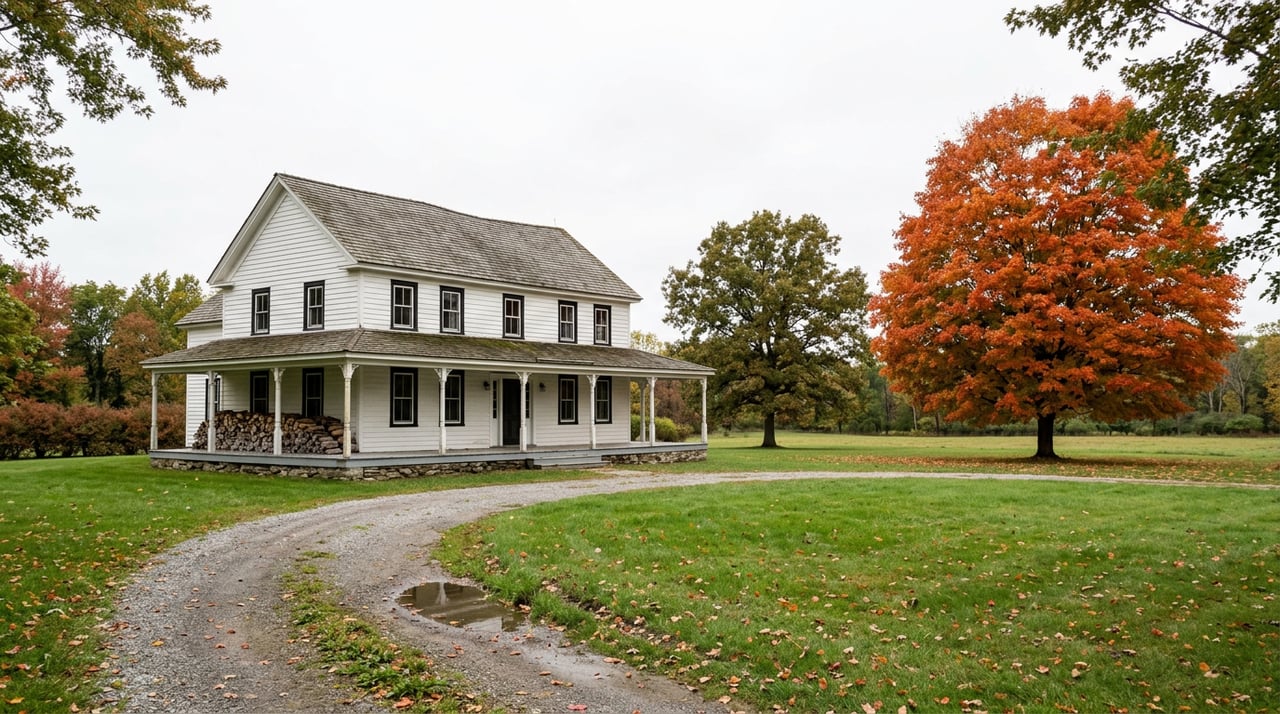
Dreaming of Lake Waramaug but hoping to buy from a Warren, CT home base? You are not alone. This part of Litchfield County draws buyers who want water views, quiet roads, and a strong sense of place, but buying here takes more than falling in love with a pretty setting. If you want to shop smart near the lake, it helps to understand access, zoning, and environmental review before you make an offer. Let’s dive in.
Why Lake Waramaug Buying Is Different
Lake Waramaug is a 656-acre lake shared by Kent, Warren, and Washington. For buyers focused on Warren, that matters because the lake does not function like one simple waterfront market.
Instead, your buying decision often comes down to parcel details. A home near the lake may look ideal at first glance, but the real value can depend on shoreline frontage, legal access, dock rules, and how the property fits Warren’s land use regulations.
Public shoreline access is also limited. The state park beach is the only public shoreline access point on the lake, which makes private rights and property-specific features especially important when you compare homes.
What a Warren Home Base Means
Buying from a Warren home base often appeals to buyers who want a quieter, low-density residential setting near the lake. Warren’s zoning framework points to a market centered mostly on single-family homes and similarly low-intensity residential use.
That does not mean every property is the same. It does mean you should expect the Warren side to reward careful due diligence, especially if you are considering a shoreline parcel or a home within the broader lake review area.
Know Warren’s Shoreline Setbacks
If you are looking at waterfront or near-shore property, setbacks are one of the first things to check. In Warren, principal and accessory buildings generally must be set back 100 feet from the shoreline on major water bodies like Lake Waramaug.
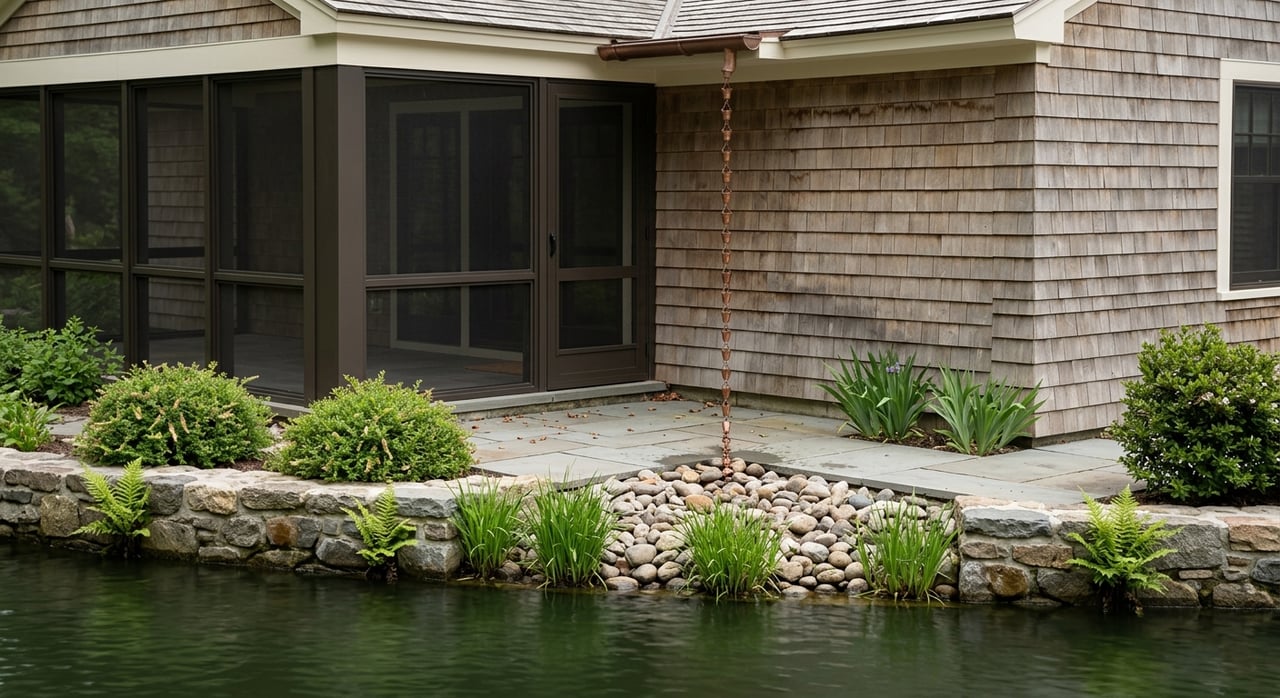
In some cases, a special exception may allow structures between 50 and 100 feet from the shoreline. That usually requires a landscape and stormwater plan, and at least half of the undeveloped setback must remain in shoreline vegetation.
For you as a buyer, this can affect what you can expand, rebuild, or add later. A house that works for your needs today may have tighter future options than you expect.
Shoreline Frontage and Lot Coverage Rules
On Lake Waramaug, a proposed lot on a major water body must have at least 100 feet of shoreline frontage. Warren also caps impervious surface at 20% of the portion of a lot within 500 feet of the shoreline.
That can shape everything from driveway plans to patios to future additions. It can also affect how useful a parcel feels in real life, even if the lot size on paper seems generous.
Warren also limits fences on the Lake Waramaug side of Lake Road and North Shore Road so they do not block views from the road. This is another reminder that lake-area ownership comes with place-specific rules that can influence both use and appearance.
Dock Rights Need Close Review
Many buyers assume a waterfront property automatically comes with a dock or the right to add one. Near Lake Waramaug, you should never make that assumption.
Warren allows one dock, one float, and one inflatable water toy per shoreline property. These must be for private, non-commercial use and remain removable on a seasonal basis.
The town also regulates dock size, side-lot placement, and shoreline disturbance. Before you move forward, you will want to confirm whether an existing dock or float is legal, whether it matches approvals, and whether those rights are tied cleanly to the parcel.
Public Access Is Limited
One of the biggest buying mistakes near Lake Waramaug is assuming that being close to the water means easy lake access. In reality, access depends on whether you are talking about shoreline use, resident amenities, or boat launching.
On the Warren side, Warren Town Beach on North Shore Road is a resident amenity. The town states that it is open to Warren residents with parking permits, with lifeguards from Memorial Day to Labor Day, plus picnic tables, grills, and a playscape.
For boating, the state park launch is for car-top and carry-in craft. Powerboats may only be launched at the Town of Washington boat launch, where annual launch permits, inspection fees, and invasive-species inspections apply.
Why Access Details Matter So Much
Because public access is limited, the best lake-area purchases are often the ones where the practical details already line up. That includes the deed, survey, easements, dock rights, and lake-use permissions.
This is especially important if you are buying a second home or planning a lifestyle-driven purchase. You want to know how the property works day to day, not just how it looks in listing photos.
Environmental Review Reaches Beyond the Waterfront
Lake Waramaug has a strong preservation culture, and that affects the buying process. Invasive species protection, water quality, and shoreline stewardship are active concerns around the lake.
The Warren inland wetlands regulations were updated in 2024 to include all areas within one-half mile of the Lake Waramaug shoreline in the regulated area. That means environmental review is not limited to homes directly on the water.
If a property falls within that area, proposed work may require careful review. Even projects that seem simple can trigger added documentation and approvals.
What Wetlands Review Can Involve
Warren’s application materials show the level of detail that may be required. Applicants may need site plans showing wetlands and upland review areas, existing improvements, proposed disturbance limits, and erosion and sedimentation controls.
The town also notes that gravel counts as impervious surface. That small detail can matter more than buyers expect when evaluating driveways, parking areas, or future site changes.
If you are buying with plans to renovate, expand, or rework the land, these rules should be part of your thinking from the start.
Stewardship Is Part of Ownership Here
Lake-focused organizations reinforce the same message: ownership near Lake Waramaug comes with a stewardship mindset. The Lake Waramaug Conservancy tracks conditions such as clarity, bacteria, water temperature, vegetation, fish species, and lake levels.
It also announced a 2026 watercraft inspection and decontamination program tied to inspections at the Washington town ramp and mobile hot-water decontamination at New Preston Fire Station. That reflects how seriously lake protection is treated in this area.
The Lake Waramaug Association also recommends shoreline buffer plantings, careful septic maintenance, and checking with land use and wetlands officials before starting work. Its homeowner guidance says clear cutting is environmentally unsound and not allowed within 100 feet of a watercourse.
A Smart Buyer Checklist
Before you buy near Lake Waramaug from a Warren base, it helps to slow down and verify the details that affect real use and long-term value.
- Confirm shoreline frontage and side boundaries with a current survey
- Review any easements that affect access or use
- Verify whether a dock, float, or mooring is legal and transferable
- Check whether the parcel falls within the 100-foot shoreline setback
- Determine whether the property is inside the one-half mile wetlands review area
- Review well and septic location and condition
- Confirm that any driveway, grading, or shared access setup aligns with town rules
These steps can help you avoid expensive surprises after closing.
The Local Experts Worth Involving
Near Lake Waramaug, good due diligence is a team effort. The Warren Land Use Office and Inland Wetlands & Conservation Commission are key local contacts when a parcel may involve zoning or wetlands review.
For boating access, Washington Parks and Recreation staff can clarify current ramp rules. Lake-specific groups such as the Lake Waramaug Authority, Lake Waramaug Conservancy, and Lake Waramaug Association also help shape the stewardship and use framework buyers should understand.
On the private side, a Connecticut real estate attorney, surveyor, septic professional, and wetlands consultant can help you evaluate risk before you commit. In a regulated shoreline market, those professionals can be just as important as the showing itself.
Buying With Confidence in Warren
Buying near Lake Waramaug from a Warren home base can be a wonderful fit if you value scenic surroundings, low-density residential character, and a property with lasting appeal. The key is to look beyond the view and understand how the parcel actually functions.
When you do that work up front, you are in a much better position to choose a home that matches your goals now and in the years ahead. If you want local guidance grounded in Litchfield County experience, E.J. Murphy Realty is here to help you navigate the Warren and Lake Waramaug market with clarity and care.
FAQs
What makes buying near Lake Waramaug in Warren different from other lake markets?
- Lake Waramaug buying in Warren often depends on parcel-specific factors like shoreline setbacks, frontage, wetlands review, dock rules, and limited public access.
What are the shoreline setback rules for Warren properties near Lake Waramaug?
- In Warren, principal and accessory buildings generally must be set back 100 feet from the shoreline, though some structures between 50 and 100 feet may be allowed by special exception with added requirements.
Can you assume a Lake Waramaug home has dock rights?
- No. You should verify whether any dock, float, or mooring is legal, approved, and transferable with the property.
Is there public lake access for buyers near Lake Waramaug?
- Public shoreline access is limited to the state park beach, while Warren Town Beach is a resident amenity with parking permits, and boating access depends on the type of watercraft and launch location.
Do non-waterfront Warren properties near Lake Waramaug still face environmental review?
- Yes. Warren’s regulated area includes all areas within one-half mile of the Lake Waramaug shoreline, so review can apply beyond direct waterfront parcels.
What should you check before buying a Warren property near Lake Waramaug?
- You should review the survey, frontage, easements, dock status, setback location, wetlands review area, septic and well details, and any access or grading issues tied to town rules.