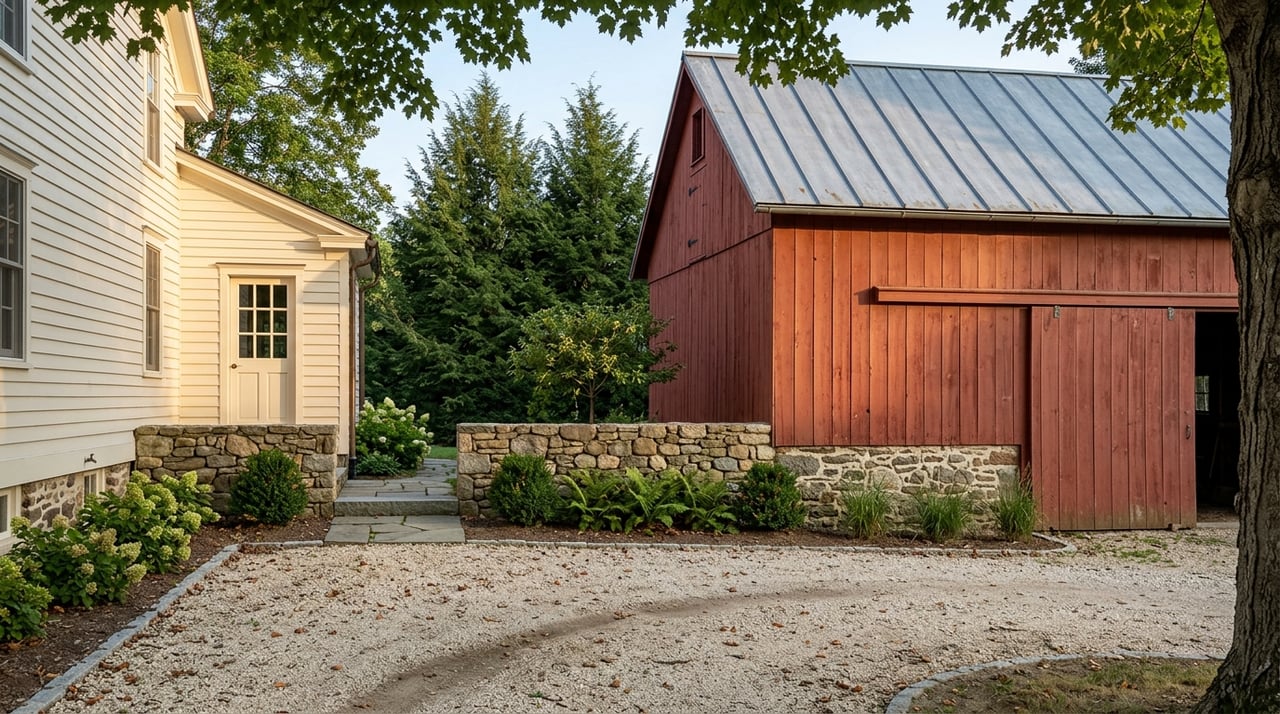
Dreaming of a Morris property with open land, a barn, or room for gardens and animals? You are not alone, and you are also right to look beyond the listing photos. In Morris, a country home or small farm lifestyle can be very real, but the details that make a property workable often come down to zoning, wetlands, septic, and usable acreage. This guide will help you understand what to look for, what questions to ask, and how to buy with more confidence. Let’s dive in.
What “country home” means in Morris
In Morris, terms like country home, mini-farm, and small farm are usually marketing language, not formal zoning categories. The town’s rules focus instead on residential districts and agricultural uses.
That matters because a property can feel rural without automatically giving you the setup you want. If you are hoping for gardens, animals, a greenhouse, or a barn-based use, you need to look at the land itself and how the parcel functions under local rules.
Morris acreage basics to know
Morris uses several residential district minimums that help explain how land is divided. The key lot-size thresholds are R-40, R-60, R-80, and R-160, with minimum lot areas of 40,000, 60,000, 80,000, and 160,000 square feet.
In practical terms, that works out to about 0.92, 1.38, 1.84, and 3.67 acres. For many buyers, parcels above roughly 1 to 2 acres start to offer hobby-farm potential, while 3 or more acres often feel more distinctly rural.
Still, raw acreage is only part of the story. Wetlands, septic capacity, frontage, and setback requirements can all reduce how much of the parcel is actually usable.
Why usable land matters more than total acres
A parcel may look generous on paper and still offer less practical space than you expect. In Morris, ponds, lakes, swamps, and marshes can count for no more than 25 percent of minimum lot area requirements.
That means the number on the listing sheet may not tell you how much workable ground you truly have for gardens, animals, outbuildings, or future improvements. If you are comparing two homes with similar acreage, the one with more dry, buildable land may be the better fit.
This is one reason rural buying in Morris benefits from careful review early in the process. It is not just about how much land you buy. It is about what that land allows you to do.
Home styles you will see in Morris
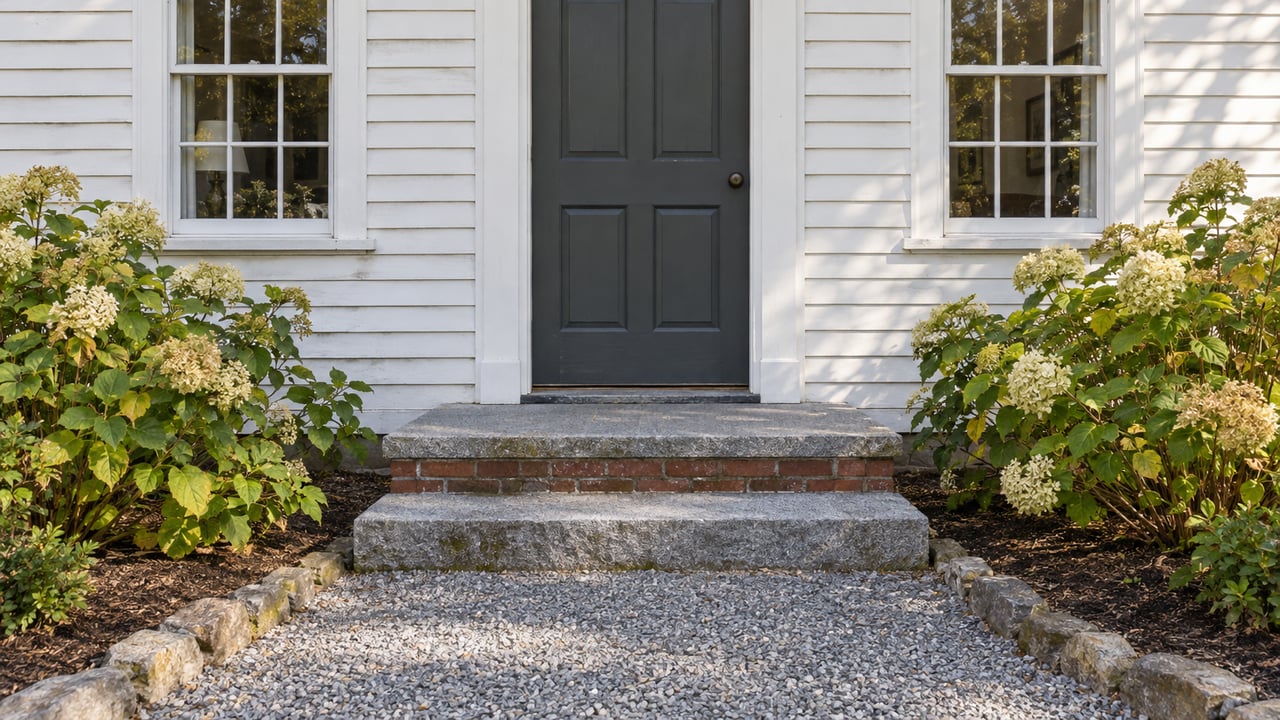
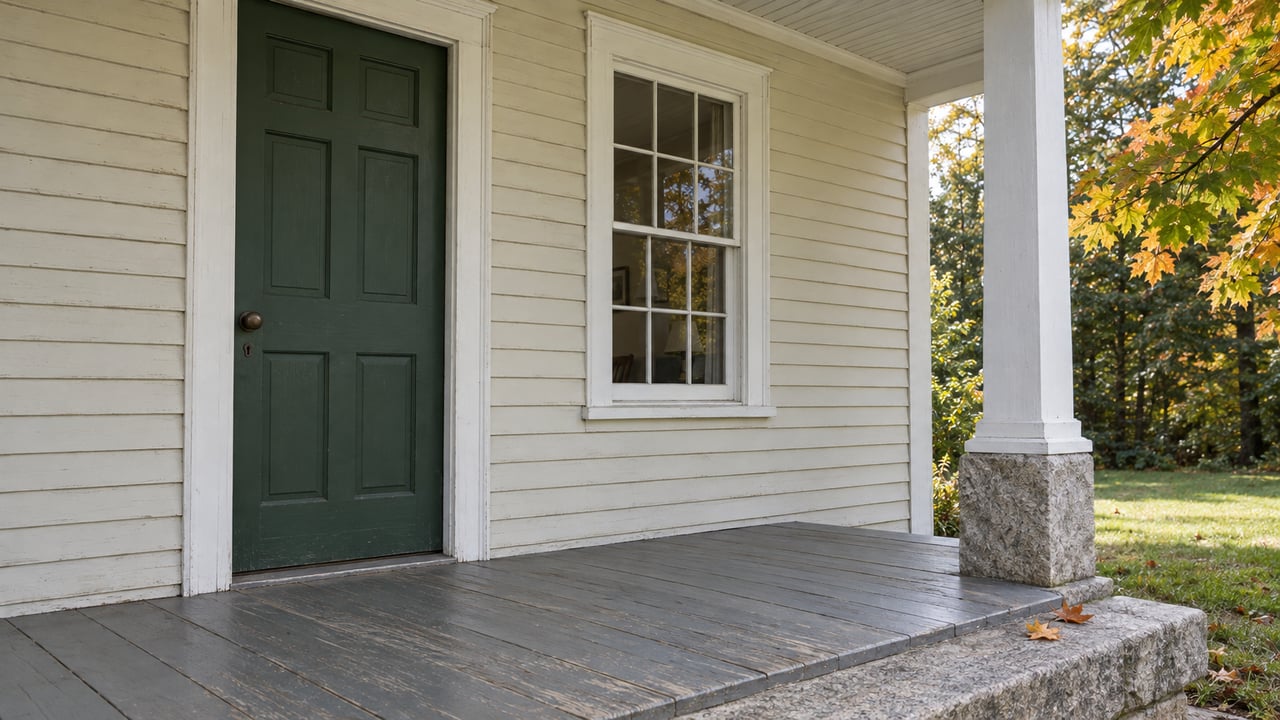
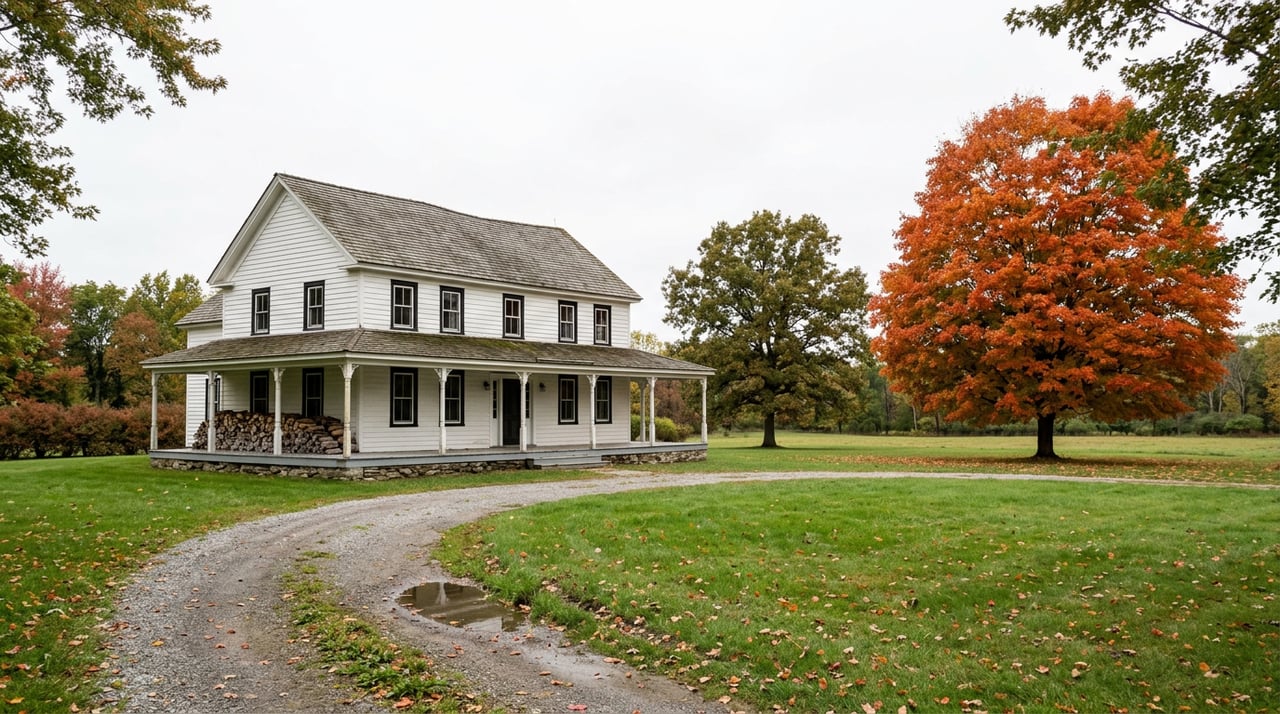
Morris country properties tend to include a mix of traditional New England homes and newer custom builds. Recent listings show colonials, colonial farmhouses, Greek Revival farmhouses, and custom homes with rural settings.
You may also see properties with classic features that support country living, such as open fields, meadow views, and detached outbuildings. In some cases, the outbuilding is just as important as the house if your goal is storage, gardening, workshop space, or animal use.
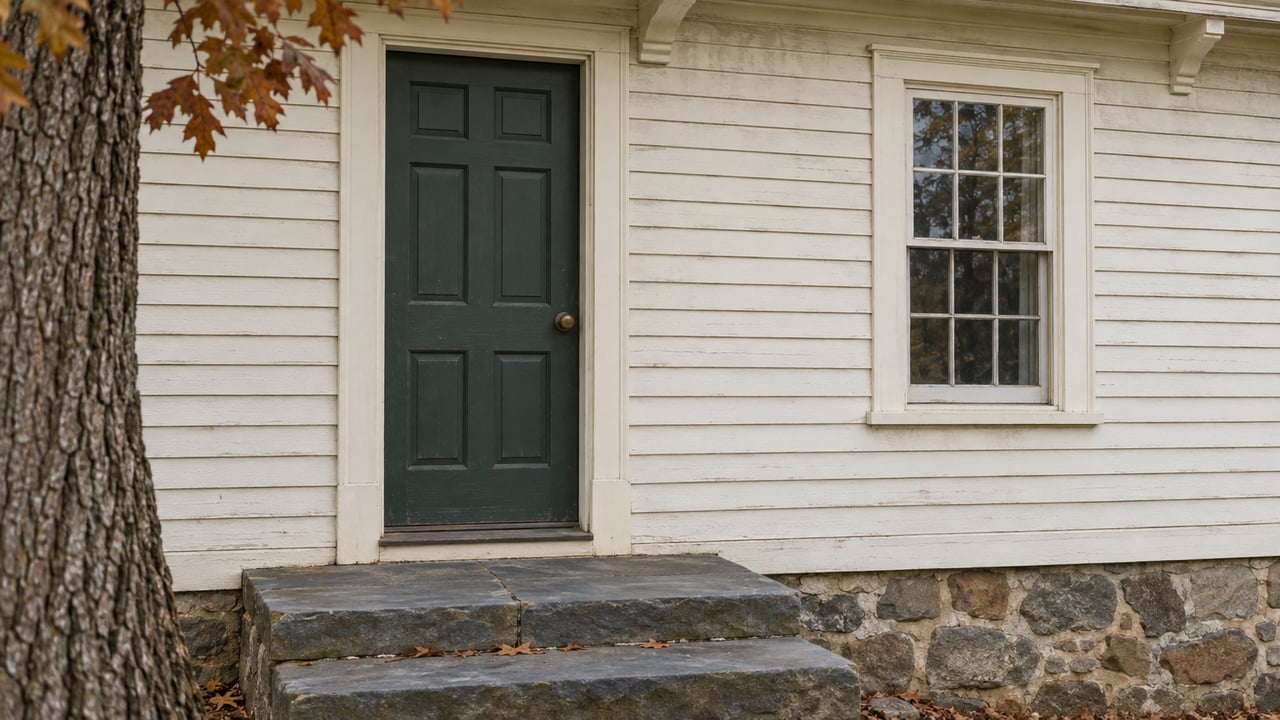
For buyers drawn to the character of older homes, Morris can be especially appealing. Historic farmhouses and older barns can bring real charm, but they also call for extra permit and condition review.
Search terms that help you find the right property
When you search Morris listings, broad filters like price and lot size are only the starting point. The local vocabulary in listings can help you spot properties that better match your goals.
Useful search terms include:
- Farmhouse colonial
- Barn
- Post-and-beam barn
- Meadow
- Open fields
- Horse property
- Greenhouse
- Mini-farm
- Waterfront
These terms can help narrow the field, but they should not replace due diligence. A listing can mention a barn or open land, yet the property may still have wetlands, setback, or septic limits that affect how you use it.
Agriculture rules are relatively flexible
One of the more appealing parts of buying rural property in Morris is that agriculture is permitted by right in all zones. The zoning code also says no zoning permit or certificate of zoning compliance is required for agriculture as a primary use.
The town’s agriculture definition is broad. It includes livestock, horses, bees, poultry, farm buildings, accessory buildings, nurseries, orchards, greenhouses, and hoop houses. Cannabis is excluded from that definition.
For many buyers, this flexibility is a strong plus. It suggests that Morris is a place where country living and small-scale agricultural uses are part of the local landscape.
Farm stands, farm businesses, and agri-tourism
If your vision includes more than personal enjoyment of the land, it is important to understand the next layer of rules. Morris allows farm stands by right when they sell farm products primarily grown on the premises, and those stands are capped at 400 square feet.
Farm businesses and agri-tourism uses require separate approvals. The code also says that if accessory farm uses consistently draw 25 or more people, the use becomes agri-tourism.
Farm business can include uses such as a retail farm store, farm brewery, farm winery, farm restaurant, and farm stays. If you are considering any income-producing or public-facing use, it is smart to confirm fit with the zoning office before you commit.
Wetlands are a major buying consideration
In Morris, wetlands are often one of the biggest issues on rural parcels. The local commission regulates activities not only in wetlands, but also in the regulated area next to them.
The town’s regulations define regulated activity to include work within 100 feet of wetlands or 200 feet of a watercourse. That can affect many of the improvements country-home buyers care about most.
Examples of regulated activities include:
- New house construction
- Decks and patios
- Grading
- Paving
- Excavating
- Filling
- Septic work
- Drainage changes
If a property has wetlands or a nearby watercourse, future plans may involve added review. That does not mean the property is a poor choice, but it does mean you should understand the constraints before moving forward.
Wells and septic deserve close review
For many country properties in Morris, private well and septic systems are part of the package. That makes health department review a central part of due diligence.
The local health department notes that soils testing comes first for septic approval, and septic systems in Morris are sized based on bedroom count. Additions or new structures may trigger a B100a review, and approval is needed when septic or well exist on a property.
For wells, a permit to install a new well must be approved before drilling. After installation, there is a well completion report and water sample. If you are buying an existing home, it is wise to ask for recent well water testing or plan to order it.
Building permits still matter on rural parcels
A common misconception is that country properties come with fewer permit concerns. In reality, Morris requires permits for most construction, and permit history is often important to both buyers and lenders.
The town specifically lists garages, sheds over 200 square feet, pools, generators, and additions as projects that require permits. Its deck guidance also notes that wetlands location should be checked before work begins.
If a property has a barn, shed, addition, or other improvement, ask whether permits were obtained where required. This is especially important with older homes and parcels that have evolved over time.
What buyers can expect on price
Morris is not a bargain market, especially for properties with acreage, attractive views, lake orientation, or useful outbuildings. Zillow reported an average Morris home value of $512,611 as of April 30, 2026, while Realtor.com reported a median listing price of $759,000 in January 2026.
Land listings in town show smaller rural parcels around 1.38 to 1.6 acres priced near $129,900 to $149,900. Active home listings cited in the research included examples at $514,900 on 2.51 acres, $599,000 on 1.63 acres, and $825,000 on 3.68 acres.
Lake-oriented properties can climb much higher, including seven-figure pricing on smaller lots. The takeaway is simple: acreage matters, but condition, location, views, and the quality of existing outbuildings matter too.
How barns and outbuildings affect value
In Morris, outbuildings can meaningfully shape both price and buyer interest. Sold or off-market examples in the research included a 3.39-acre home with a barn valued around $572,500, a 3.11-acre Greek Revival farmhouse with a post-and-beam barn valued around $696,900, and an 8.51-acre property with horse-property potential and a large barn valued around $851,500.
That does not mean every barn adds the same value. Condition, size, usefulness, and how well the outbuilding fits the parcel all matter.
A barn that is structurally sound and genuinely functional may be a major asset. A large outbuilding in poor condition may create more questions than value unless you are prepared for improvements.
A smart due diligence checklist
Before you buy a country home or small farm property in Morris, slow the process down just enough to verify the basics. A beautiful setting is only part of a good purchase.
Use this checklist as a starting point:
- Verify septic capacity against bedroom count
- Ask for recent well water testing or order it
- Confirm that barns, sheds, additions, and other improvements have permits where required
- Review the survey for wetlands, watercourses, and setbacks
- Ask the zoning office whether your planned animal use, farm stand, or farm business fits the parcel
These steps can help you avoid surprises and compare properties more clearly. They can also help you decide whether a parcel supports your goals now and later.
What to focus on during showings
When you tour a Morris country property, try to look beyond the charm of the setting. Notice where the open land actually sits, how the driveway and outbuildings function, and whether the house placement leaves room for future use.
It also helps to ask practical questions on site. Where is the septic area? Is there a current survey? Are there visible wet areas? Has the barn been updated? Is the shed over 200 square feet? Small details can shape the entire buying decision.
A calm, informed showing strategy often leads to a better result than simply chasing acreage totals. In Morris, the best fit is usually the property where house, land, and intended use all line up.
Why local guidance makes a difference
Buying rural property is different from buying a house on a typical in-town lot. You are not only evaluating the home itself. You are also evaluating land use, site constraints, outbuildings, and future flexibility.
That is where town-level knowledge matters. In a market like Morris, local context can help you interpret the difference between a parcel that looks promising and one that truly supports the lifestyle you want.
If you are considering a country home, mini-farm, or small farm purchase in Morris, working with a brokerage that knows Litchfield County can help you ask better questions from the start. When you are ready to explore Morris properties with experienced local guidance, connect with E.J. Murphy Realty.
FAQs
What counts as a small farm property in Morris, CT?
- In Morris, small farm or country home is usually a marketing term rather than a zoning category. The practical fit depends on acreage, usable land, wetlands, septic capacity, setbacks, and your intended use.
How many acres do you need for a country home in Morris, CT?
- Many buyers start looking at parcels above about 1 to 2 acres for hobby-farm potential, while 3 or more acres often feel more rural. Still, usable land matters more than the raw acreage number.
Are agricultural uses allowed on Morris, CT residential property?
- Yes. Morris allows agriculture by right in all zones, and the code states that no zoning permit or certificate of zoning compliance is required for agriculture as a primary use.
Do wetlands affect country home purchases in Morris, CT?
- Yes. Wetlands can be a major issue because regulated activities may also include work within 100 feet of wetlands or 200 feet of a watercourse, which can affect building, grading, septic work, and other improvements.
Do you need to check septic and well systems when buying in Morris, CT?
- Yes. Septic capacity is tied to bedroom count, and buyers should review septic approval, ask about well records, and consider water testing as part of due diligence.
Do barns and sheds need permits in Morris, CT?
- Morris requires permits for most construction, and the town specifically notes that sheds over 200 square feet, garages, pools, generators, and additions require permits. Buyers should verify permit history for existing improvements.