Wondering why one Washington home feels like a classic New England retreat while another feels like a glass-wrapped hillside escape? In Washington, CT, that contrast is part of the appeal. If you are browsing homes in Washington Depot and the surrounding parts of town, understanding the area’s architectural mix can help you narrow your search and spot the features that matter most to you. Let’s dive in.
Why Washington’s homes feel so varied
Washington’s housing stock reflects several layers of local history. The town identifies three historic districts, and its planning documents describe a landscape that includes traditional village architecture, rural farmsteads, and a more contemporary feel in Washington Depot after much of the older fabric was damaged in the 1955 flood.
That is why you will often see a mix of antique farmhouses, colonial-era homes, mid-century modern houses, and newer country contemporaries in the same broader market. For buyers, that variety is part of what makes Washington especially interesting.
Antique farmhouses and early homes
If you picture Washington as stone walls, open land, barns, and old clapboard homes, you are thinking of one of the town’s most established architectural threads. In the rural historic districts, the town’s design guidance describes farmsteads set among fields and open land, often with historic outbuildings.
These homes are typically simple in form rather than heavily decorated. Common features include rectangular main sections, gable roofs, wood clapboard or shingle siding, double-hung true divided-light windows, and details like old stone walls or picket fences.
What these homes often feel like
Many antique homes in Washington feel sturdy, vertical, and more compartmentalized than newer houses. Even when they have been updated, they often keep a traditional room-by-room layout instead of a fully open floor plan.
That can be a strong fit if you value period character and a sense of provenance. It can also appeal to buyers looking for acreage, barns, or a more visibly rural setting.
Style names you may hear
Some listings may use broad terms like antique or farmhouse, but the architecture may be more specific. In Washington Green, the town notes the presence of Georgian, Greek Revival, and Italianate buildings.
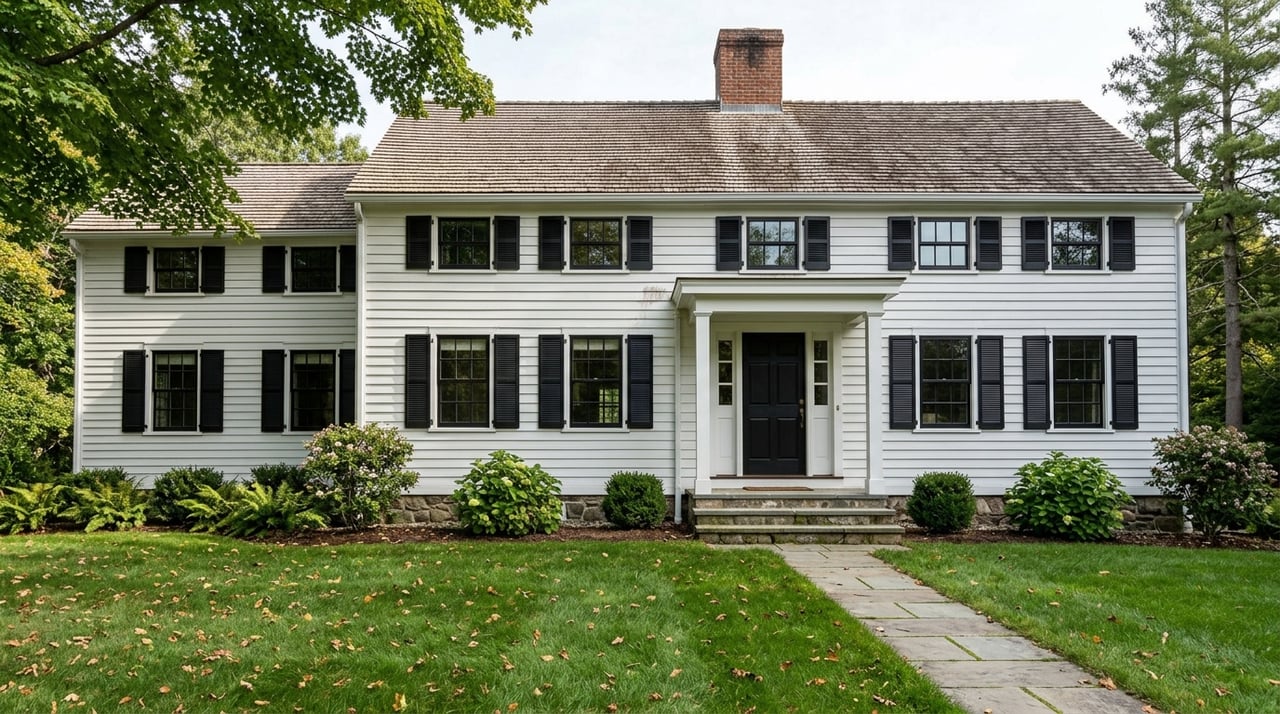
Georgian homes are known for balance and symmetry. Federal homes are often square or rectangular in form, while Greek Revival homes tend to have boxy, temple-inspired shapes with pedimented roofs, columns, and simple multi-pane windows.
Colonial and revival influences
As you browse Washington homes, you may notice that not every older-looking house fits neatly into one label. Some homes borrow from earlier colonial forms while reflecting later design trends.
Colonial Revival houses, for example, often echo Georgian and Federal precedents. Features can include symmetry, pronounced entries, gabled or pedimented windows, porches, pilasters, columns, and sidelights or fanlights around the front door.
Why this matters when touring homes
Two homes may both appear historic from the street but live very differently inside. One may preserve a more formal layout, while another may have been reworked over time for a more open and flexible flow.
Knowing the architectural background helps you ask better questions. It can also help you understand why a home is marketed as a farmhouse, antique, or colonial even when its underlying structure points to a more specific style.
Mid-century modern homes in Washington
Washington also offers a very different architectural experience. The town includes documented mid-century modern homes, especially on hill parcels and view-oriented sites.
A local example from 1964 on Shinar Mountain is described as Breuer-style, with large windows, a glass foyer, open-concept living, casement windows, exposed redwood beams, sliding doors, and broad views from a private hillside setting. That design language aligns with the modern vocabulary of long, low forms, generous glass, and a strong connection to the surrounding landscape.
Key features to look for
Mid-century modern homes in Washington often emphasize:
- Large expanses of glass
- Strong indoor-outdoor flow
- Open sightlines
- Clean lines and reduced ornament
- A close visual relationship to the land and views
These homes tend to feel especially open and light-filled compared with antique farmhouses nearby. If you are drawn to design-forward spaces and want the setting to feel like part of the home, this style may stand out to you.
Newer country contemporaries
One of the most flexible categories in Washington is the newer country contemporary home. This is where you often see a blend of rural exterior cues and modern interior living.
The town’s planning documents describe Washington Depot as having a more contemporary feel, and local design guidance encourages new work that is clearly of the present day while still respecting the scale, massing, and siting of older surrounding homes. That helps explain why newer houses often borrow traditional proportions without copying older homes exactly.
What defines this style
Many newer country contemporaries keep familiar New England forms such as rectangular massing, gable roofs, and traditional exterior materials. Inside, they often shift toward more current living patterns.
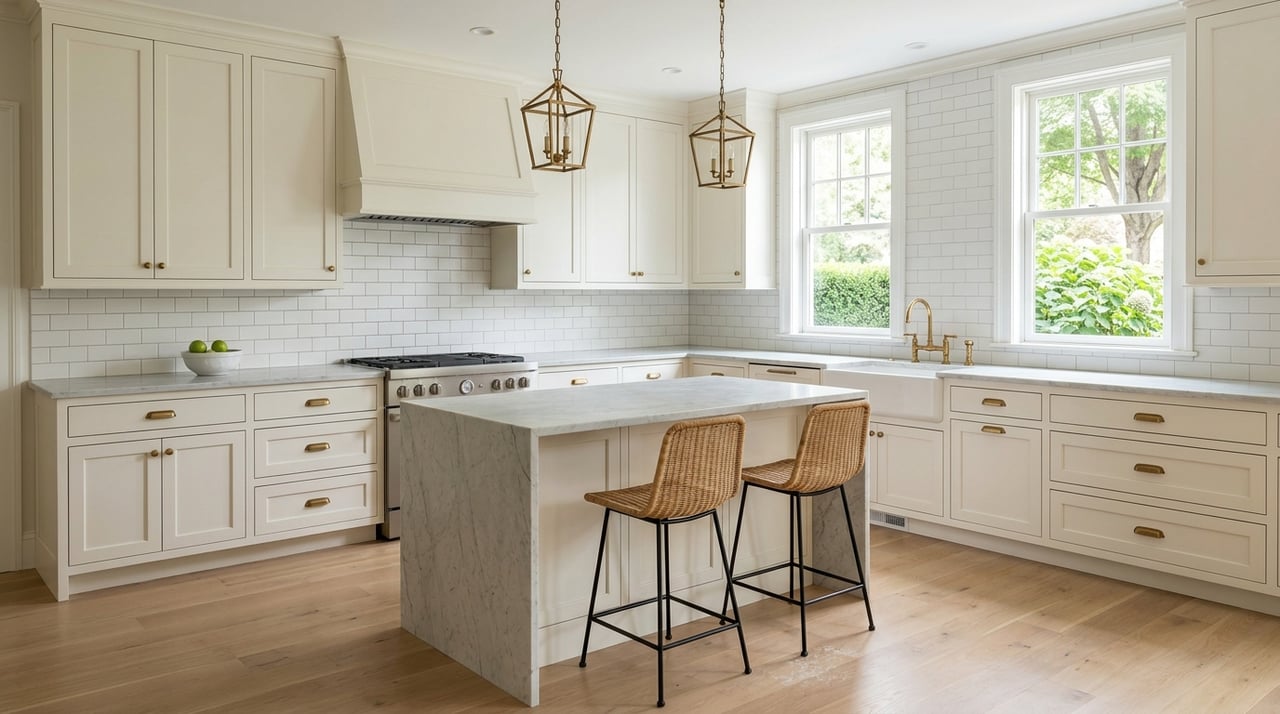
That can mean open kitchens, family gathering spaces, larger windows, and easier indoor-outdoor access. In practical terms, these homes often aim to keep the rural character of Washington while making day-to-day living feel more current.
Modern farmhouse influences
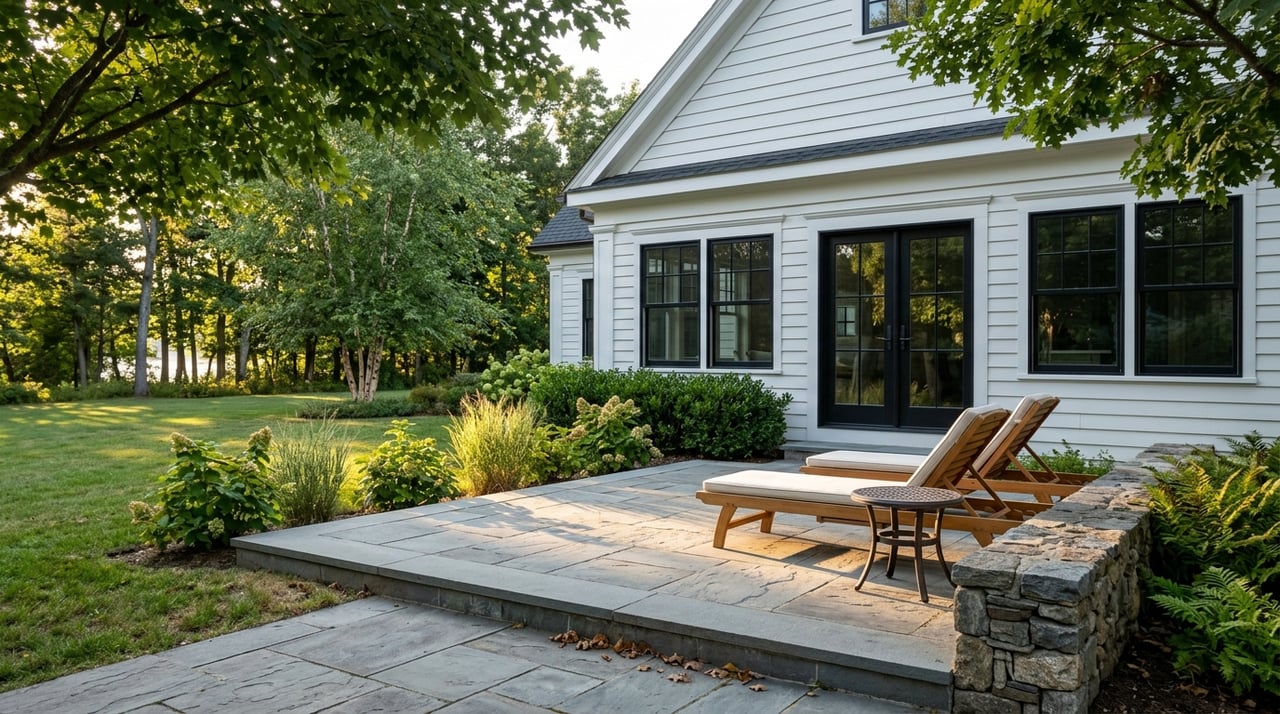
Modern farmhouse design also shows up in Washington, sometimes through renovations and sometimes through newer construction. A local farmhouse project highlighted by Elizabeth Roberts Architects kept the historic shell of an 18th-century house while adding a glazed room, wraparound windows, and a kitchen shaped more like a sunporch for contemporary use.
Another Washington project described as a modern American farmhouse uses simple lines and hand-hewn exterior materials that connect the home to its country setting, while the interiors read more contemporary. These examples show a pattern many buyers respond to in Washington: a rural silhouette outside with modern livability inside.
Why buyers gravitate to it
This style can appeal to you if you want the look and feel of the countryside without taking on the full maintenance profile of a true antique. It can also be a natural fit if natural light, updated systems, and a more open floor plan are high on your list.
For many buyers, it offers a middle ground. You still get a home that feels rooted in place, but with a layout and infrastructure that often suit current lifestyles more easily.
How to match style to your priorities
Architecture is not just about looks. In Washington, style often shapes how a home sits on the land, how rooms connect, how much natural light you get, and how the property feels day to day.
Here is a simple way to think about the main categories as you search.
| Style | Often appeals to buyers who want | Common feel |
|---|---|---|
| Antique farmhouse or early home | Period character, acreage, barns, traditional layouts | Classic, grounded, room-by-room |
| Mid-century modern | Views, glass, clean lines, open flow | Light-filled, design-forward, landscape-oriented |
| Country contemporary or modern farmhouse | Rural character with modern convenience | Updated, flexible, connected to setting |
This kind of framework can help you stay focused during tours. It is especially useful in a place like Washington, where two homes in the same price range can offer very different living experiences.
What to notice during a showing
When you walk through homes in Washington Depot or elsewhere in town, try looking beyond the listing label. The style name is helpful, but the lived experience matters more.
Pay attention to:
- Whether the layout feels formal or open
- How the home connects to views, fields, or wooded surroundings
- The amount and type of natural light
- Exterior materials and rooflines
- Signs of preserved historic details versus newer reinterpretation
These details can tell you a lot about how a home will feel after the excitement of a first showing wears off. They also help you compare homes more clearly when the architecture varies from one listing to the next.
Why architecture matters in Washington
In many markets, homes can start to feel visually similar. Washington is different because architecture is part of the town’s identity.
The historical core is shaped by antiques and farmhouses. The design-forward outliers include mid-century modern homes on view sites. The newer layer includes country contemporaries and modern farmhouses that reinterpret the local setting for current living.
That mix gives buyers more than just options. It gives you a chance to choose not only a location, but also a way of living that fits your taste, routines, and long-term goals.
If you are exploring homes in Washington Depot or the broader Washington market, a clear understanding of style can make your search more efficient and more enjoyable. For thoughtful guidance on homes across Litchfield County, connect with E.J. Murphy Realty.
FAQs
What architectural styles are common in Washington CT homes?
- Washington homes often include antique farmhouses, Georgian and Greek Revival influences, mid-century modern houses, and newer country contemporary or modern farmhouse designs.
What makes Washington Depot homes feel different from other parts of Washington?
- Town planning documents describe Washington Depot as having a more contemporary feel, in part because much of its older fabric was damaged in the 1955 flood.
How can you tell if a Washington home is truly antique?
- Many older homes show features like rectangular forms, gable roofs, wood clapboard or shingle siding, divided-light windows, and traditional details such as stone walls or historic outbuildings.
Are mid-century modern homes common in Washington CT?
- They are not the dominant style, but Washington does have documented mid-century modern homes, especially on hillside and view-oriented parcels.
What is a country contemporary home in Washington CT?
- It usually means a newer home that respects local scale and rural character outside while offering more modern interiors, open living areas, larger windows, and updated amenities inside.